
Welcome to knowledgebasesoftware. White-label marketing software has become a strategic solution for agencies that want to expand their service offerings without investing heavily in building proprietary technology. Instead of developing tools from scratch, businesses can leverage ready-made platforms and rebrand them as their own, creating a seamless experience for their clients.
In today’s competitive digital landscape, agencies are under constant pressure to deliver faster results, better reporting, and more automation. This is where white-label SaaS platforms play a critical role by combining marketing automation, analytics, and client management into a single branded system. As a result, agencies can operate more efficiently while maintaining a strong, professional identity in the market.
What Is White Label Marketing Software?
White-label marketing software is a ready-made digital marketing solution that agencies and businesses can rebrand and offer as their own service. Instead of building complex systems from the ground up, companies use existing platforms and customize them with their branding, creating a seamless “in-house” software experience for clients. This model is widely used in the marketing industry because it significantly reduces development costs while allowing agencies to scale faster and deliver professional-grade tools under their own name.
Definition and Core Concept
At its core, white-label marketing software refers to a product developed by one company that can be rebranded and sold by another. The original provider maintains the backend infrastructure, updates, and security, while the reseller customizes the front-end experience, including logos, domains, and dashboards. This allows agencies to present the software as their own proprietary solution without actually building it.
The concept is built on the idea of scalability and brand ownership. Using a white-label SaaS platform, businesses can expand their service offerings instantly, add new revenue streams, and maintain full control over pricing and client experience. This makes it an attractive option for agencies that want to compete with larger firms without heavy investment in development teams.
How White Label SaaS Works
White-label marketing software works through a simple but powerful process. A software provider builds a complete marketing platform, and agencies subscribe to it. Once subscribed, agencies can fully customize the platform with their branding elements, such as logos, colors, and custom domains, making it appear as their own proprietary system.
Behind the scenes, the original provider continues to handle all technical operations, including updates, security, and infrastructure scaling. This allows agencies to focus entirely on marketing services, client relationships, and revenue growth while relying on stable and scalable agency software.
Who Uses White Label Marketing Platforms
White-label marketing software is widely used by digital marketing agencies that want to offer comprehensive services without developing tools internally. These agencies rely on reseller tools to manage SEO, social media, and reporting services under a unified branded dashboard.
It is also popular among freelancers, consultants, and SaaS entrepreneurs who want to build recurring revenue streams. By using a white-label SaaS platform, they can position themselves as full-service providers, improve client trust, and scale operations without significant technical overhead.
Read Also: marketing workflow software
Key Features of White Label Marketing Software

White label marketing software comes with a wide range of built-in features designed to help agencies manage marketing campaigns, automate workflows, and deliver measurable results to clients under their own brand. These features are structured to replace multiple standalone tools, allowing businesses to operate more efficiently from a single unified dashboard. Most modern platforms also integrate advanced analytics and automation capabilities to support scalable agency growth. These systems are often built around marketing automation tools and centralized reporting functions, making them essential for agencies that want to reduce manual effort and improve client visibility.
Custom Branding & Logo Control
One of the most important features of white-label marketing software is full customization of branding elements. Agencies can upload their logo, choose brand colors, and even connect custom domains to ensure the platform looks like their proprietary product. This helps build trust with clients and reinforces brand identity at every touchpoint.
Beyond visual customization, many platforms allow agencies to personalize dashboards and client-facing reports. This creates a seamless experience where clients interact only with the agency’s brand, not the underlying provider. As a result, reseller tools become more valuable for businesses looking to establish authority in competitive markets.
Marketing Automation Tools
White-label marketing software typically includes powerful automation features that reduce manual workload and improve efficiency. These tools can handle email campaigns, lead nurturing, scheduled posting, and workflow triggers, allowing agencies to run campaigns with minimal manual intervention.
Automation also helps agencies maintain consistency in client communication and campaign execution. With integrated marketing automation tools, businesses can scale operations without significantly increasing staff, making it easier to manage multiple clients at once while maintaining performance quality.
SEO & PPC Reporting Dashboards
Reporting is a critical component of white-label marketing software, and most platforms offer detailed SEO and PPC dashboards. These dashboards provide insights into keyword rankings, ad performance, traffic metrics, and ROI tracking, all presented in a branded format for clients.
These reporting systems eliminate the need for manual report creation and help agencies deliver real-time insights. By using agency software, businesses can provide transparent performance data that strengthens client trust and improves long-term retention.
Social Media Management Integration
White label marketing software often includes social media management tools that allow agencies to schedule posts, monitor engagement, and manage multiple accounts from one interface. This helps streamline content distribution across platforms like Facebook, Instagram, and LinkedIn.
Integration with reseller tools ensures that agencies can offer complete social media services without relying on multiple external platforms. This unified approach improves efficiency and allows teams to manage campaigns more strategically.
CRM and Third-Party Integrations
A key strength of white-label marketing software is its ability to integrate with CRM systems and third-party applications. These integrations allow agencies to connect sales pipelines, customer data, and marketing campaigns in one centralized system.
With support for white-label SaaS platform ecosystems, agencies can connect tools like email marketing software, payment gateways, and analytics platforms. This creates a fully connected environment where data flows seamlessly, improving decision-making and operational efficiency.
Benefits of Using Wite Labhel Marketing Software
White label marketing software provides agencies with a powerful way to scale operations, increase profitability, and deliver professional marketing services without building complex systems in-house. It combines automation, branding flexibility, and centralized management, allowing businesses to focus on growth and client acquisition while reducing operational complexity and technical costs.
Benefits of Wite Labhel Marketing Software
- Enables agencies to scale services quickly without investing in expensive in-house software development resources or engineering teams
- Improves profit margins by allowing full control over pricing, packaging, and resale of marketing services under its own brand
- Strengthens client trust through fully branded dashboards, reports, and interfaces that appear as proprietary agency software solutions
- Reduces operational workload using automation tools for campaigns, reporting, and customer communication across multiple marketing channels.
- Enhances service delivery speed by centralizing SEO, social media, and advertising tools into a single unified platform system
- Supports better client retention with real-time reporting dashboards and transparent performance tracking across all marketing activities
- Eliminates the need for multiple third-party tools by integrating essential marketing functions into one cohesive white-label SaaS platform.
- Allows agencies to expand service offerings instantly without additional technical training, infrastructure setup, or software engineering investment costs
- Provides a competitive advantage in crowded markets by enabling smaller agencies to operate like large-scale enterprise marketing firms
- Improves operational efficiency by streamlining workflows, reducing manual tasks, and optimizing resource allocation across all client projects
How White Label Marketing Software Works
White label marketing software operates as a fully managed marketing platform that agencies can rebrand and use as their own. It combines backend infrastructure provided by the original vendor with a customizable front-end interface controlled by the agency. This structure allows businesses to deliver professional marketing services without handling technical development, server management, or software maintenance. The entire system is designed to simplify operations while maintaining a strong branded client experience. In practice, it functions as a bridge between powerful agency software capabilities and client-facing services, enabling seamless delivery of marketing solutions. Agencies can configure, manage, and scale their offerings efficiently while relying on white-label SaaS platform technology to handle performance, security, and updates in the background.
Setup and Branding Process
The setup process for white-label marketing software typically begins with account creation and platform configuration by the agency. This includes uploading brand assets such as logos, selecting color schemes, and connecting a custom domain to ensure the platform reflects the agency’s identity. Many systems also allow customization of dashboards and email templates to maintain consistent branding across all client interactions.
Once branding is complete, agencies can configure services, pricing models, and user permissions. This step transforms a generic platform into a fully branded reseller tools environment, allowing the agency to present a polished and professional software experience to its clients without any visible third-party involvement.
Client Access and Dashboard Usage
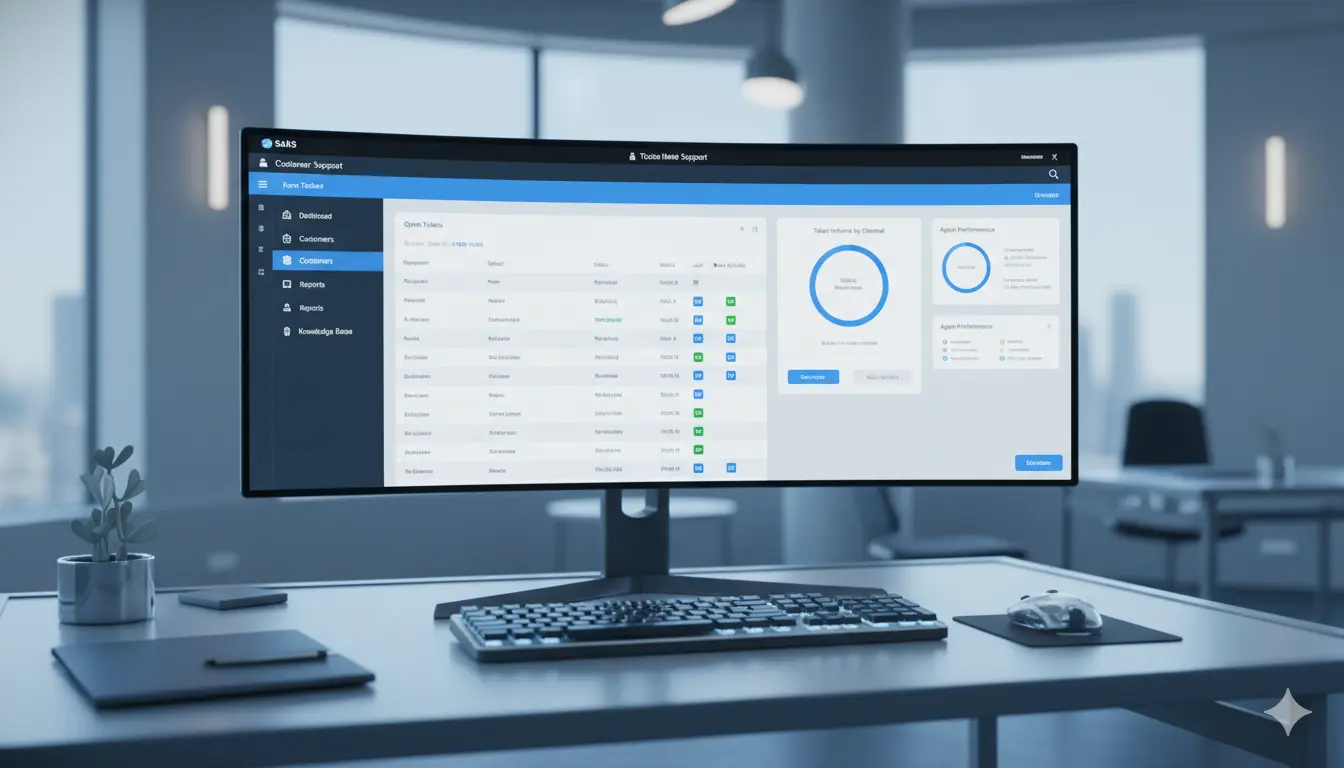
With white-label marketing software, clients are given secure login access to a branded dashboard where they can view campaigns, performance metrics, and reports. The interface is designed to be user-friendly, allowing clients to easily track progress without needing technical expertise.
Through this dashboard, clients interact only with the agency’s branding while accessing powerful agency software tools behind the scenes. This improves transparency, enhances communication, and builds long-term trust between the agency and its customers.
Automation and Reporting Workflow
One of the core strengths of white-label marketing software is its automated workflow system. It collects data from various marketing channels, processes it in real time, and generates detailed reports without manual intervention. This includes SEO performance, ad campaigns, and social media analytics.
These automated systems are powered by marketing automation tools that ensure consistent reporting and timely updates for clients. By leveraging a white-label SaaS platform, agencies can streamline operations, reduce manual workload, and deliver accurate insights at scale.
Best Use Cases for Agencies and Resellers
White-label marketing software is widely adopted across the digital marketing industry because it supports multiple business models that rely on scalability, automation, and branding flexibility. It enables agencies and independent professionals to deliver advanced marketing services without building their own tools or hiring large technical teams. This makes it a practical solution for anyone aiming to expand service offerings and increase recurring revenue streams. In addition to agencies, it is also valuable for solo professionals and entrepreneurs working within the white-label SaaS platform ecosystem.
Digital Marketing Agencies
Digital marketing agencies are the primary users of white-label marketing software because it allows them to offer a complete suite of services under one branded platform. These agencies typically manage SEO, PPC, social media, and analytics for multiple clients, making centralized tools essential for efficiency.
By using agency software, they can consolidate reporting, automate workflows, and present a professional client experience. This not only improves operational efficiency but also strengthens brand authority in competitive markets.
SEO Resellers
SEO resellers heavily depend on white-label marketing software to deliver keyword tracking, audits, and performance reports without developing proprietary systems. This allows them to focus entirely on acquiring clients and selling SEO packages while the platform handles technical execution.
With reseller tools, SEO providers can generate branded reports and dashboards that make their services appear more advanced and data-driven. This enhances credibility and improves client retention over time.
Freelance Marketers
Freelance marketers use white-label marketing software to compete with larger agencies by offering professional-grade services under their personal brand. It helps them manage campaigns, automate tasks, and deliver polished reports without requiring a large team or technical infrastructure.
Through marketing automation tools, freelancers can scale their workload efficiently while maintaining service quality. This allows them to take on more clients and build a sustainable, recurring income model.
SaaS Reseller Businesses
SaaS reseller businesses rely on white-label marketing software to create recurring revenue streams by offering subscription-based marketing platforms. They purchase or license software from providers and resell it under their own branding and pricing structure.
Using a white-label SaaS platform, these businesses can quickly enter the software market without development costs. This model enables fast scalability and positions resellers as full-service technology providers in the digital marketing ecosystem.
Common Mistakes to Avoid
White label marketing software can significantly improve agency performance, but many businesses fail to use it effectively due to poor planning and incorrect implementation. These mistakes often lead to wasted resources, underutilized features, and reduced client satisfaction. Understanding common pitfalls helps agencies maximize the value of their investment and ensure long-term success with scalable agency software solutions.
Common Mistakes
- Choosing a platform based only on price without evaluating features, scalability, integrations, and long-term business requirements carefully beforehand
- Ignoring branding limitations that prevent full customization results in an inconsistent client experience and weaker agency credibility overall
- Overlooking integration capabilities with existing white-label SaaS platform tools like CRM, analytics, and automation systems
- Failing to train the team properly, leading to inefficient use of reseller tools and underperformance in daily operations
- Relying too heavily on automation without monitoring campaigns, causing inaccurate reporting and reduced marketing effectiveness for clients
- Selecting overly complex software that slows workflows instead of improving efficiency and simplifying marketing management processes
- Not planning pricing strategy properly, resulting in low profit margins and unsustainable long-term agency growth models.
- Ignoring customer support quality, which becomes critical when technical issues arise or platform downtime occurs unexpectedly
- Failing to regularly update and optimize workflows leads to outdated processes and reduced performance over time.e
- Not aligning software features with client needs, resulting in poor satisfaction and limited adoption of agency services
How to Choose the Best White Label Marketing Software
White-label marketing software should be chosen carefully because it directly impacts an agency’s efficiency, profitability, and long-term scalability. The right platform not only supports core marketing operations but also strengthens brand identity and improves client satisfaction. Since many tools offer similar features, the decision often comes down to pricing structure, scalability, customization, and overall usability within an agency software ecosystem that supports business growth. Selecting the ideal solution also requires evaluating how well the platform aligns with your operational goals and client demands. A strong white-label SaaS platform should integrate smoothly with existing workflows, offer reliable support, and provide flexibility for future expansion without requiring constant system changes or additional reseller tools.
Pricing and Subscription Models
Pricing is one of the most important factors when selecting white-label marketing software because it directly affects profit margins and long-term sustainability. Most platforms offer tiered subscription models, including monthly and annual plans, with varying levels of features and usage limits. Agencies should carefully evaluate whether the pricing aligns with their expected client volume and service offerings.
It is also important to consider hidden costs such as add-ons, integration fees, or per-client charges. A well-structured agency software pricing model should allow predictable scaling without sudden cost increases. Choosing flexible plans ensures agencies can grow steadily without financial constraints limiting expansion.
Feature Set Evaluation
When evaluating white-label marketing software, agencies should closely examine the available features and how they align with their service needs. Core functionalities typically include SEO tracking, PPC reporting, social media management, and automation tools. The more comprehensive the feature set, the fewer external tools an agency needs to rely on.
A strong reseller tools ecosystem should also support reporting, analytics, and workflow automation in one centralized platform. This reduces operational complexity and ensures that all marketing activities can be managed efficiently from a single dashboard.
Scalability and Performance
Scalability is essential when choosing white-label marketing software, especially for agencies expecting rapid client growth. The platform should be capable of handling multiple accounts, large datasets, and increasing campaign complexity without performance issues.
A reliable white-label SaaS platform ensures consistent speed, uptime, and responsiveness even as usage expands. Agencies should prioritize systems that are cloud-based and optimized for high-volume operations to avoid bottlenecks as their business grows.
Customization Options
Customization plays a key role in white-label marketing software because it determines how effectively an agency can present itself as a standalone brand. This includes logo placement, domain mapping, color schemes, and personalized dashboards for clients.
Advanced agency software also allows customization of reports, email templates, and user interfaces. The more control an agency has over branding, the stronger its perceived authority and trustworthiness in the eyes of clients.
Support and Documentation
Reliable support is critical when using white-label marketing software, especially during onboarding and technical troubleshooting. Agencies should look for platforms that offer responsive customer service, live chat, and dedicated account managers.
Comprehensive documentation and training resources are equally important for maximizing the value of reseller tools. Well-structured guides, tutorials, and knowledge bases help teams adopt the system quickly and reduce dependency on external support over time.
Future of White Label Marketing Software
White-label marketing software is expected to evolve rapidly as digital marketing becomes more data-driven, automated, and AI-powered. Agencies will increasingly rely on integrated platforms that combine analytics, automation, and client management into a single ecosystem. As competition grows, businesses will shift toward more scalable agency software solutions that reduce manual work while improving decision-making accuracy and overall marketing performance.
Future of White Label Marketing
- AI-powered automation will optimize campaigns, predict outcomes, and reduce the manual marketing management workload for agencies significantly.
- Advanced analytics will provide deeper insights into customer behavior, improving decision-making across all marketing channels and strategies.s
- Fully integrated white-label SaaS platform ecosystems will replace fragmented marketing tool stacks used by agencies today.y
- Real-time reporting dashboards will become standard, improving transparency and client trust across all marketing services offered.
- Greater personalization features will allow agencies to deliver highly customized client experiences and tailored marketing strategies.
- Increased adoption of cloud-based reseller tools will improve scalability, accessibility, and remote collaboration for global teams.
- No-code and low-code tools will simplify platform customization, reducing dependency on technical developers and engineers.s
- Enhanced API integrations will connect marketing, CRM, and sales systems into unified automated workflows across platforms.
- Predictive marketing intelligence will help agencies forecast trends and allocate budgets more effectively for better ROI
- White-label platforms will evolve into complete business operating systems for an end-to-end digital agency management solution.
Frequently Asked Questions
What is white-label marketing software used for?
White-label marketing software is used by agencies and marketers to rebrand and resell marketing tools as their own services. It helps businesses offer SEO, social media management, analytics, and reporting without building software from scratch.
Is white-label SaaS profitable for agencies?
Yes, white-label SaaS platform solutions are highly profitable because agencies can set their own pricing, reduce development costs, and generate recurring subscription-based revenue.
Can beginners use white-label marketing platforms?
Beginners can use white-label marketing software because most platforms are designed with user-friendly dashboards, onboarding guides, and automated agency software workflows.
What features are most important in white-label tools?
Key features include branding customization, automation tools, reporting dashboards, integrations, and scalable reseller tools that support multiple clients efficiently.
How much does white-label marketing software cost?
Costs vary depending on features and provider, ranging from affordable monthly plans for freelancers to advanced enterprise-level subscriptions for large agencies.
Conclusion
White-label marketing software has become an essential solution for agencies, freelancers, and SaaS resellers who want to scale their services without the complexity of building technology from scratch. By combining automation, reporting, and branding flexibility, it allows businesses to deliver professional marketing services under their own identity while relying on a powerful agency software infrastructure in the background.
As digital competition continues to grow, adopting a white-label SaaS platform is no longer just an option but a strategic advantage. It helps reduce operational costs, improve client satisfaction, and unlock new revenue opportunities through scalable reseller tools. Agencies that embrace this model position themselves for long-term growth, efficiency, and stronger market presence in an increasingly automated marketing landscape.