Welcome to knowledgebasesoftware. Running a small business often means wearing multiple hats at once. Business owners and managers are responsible for serving customers, managing employees, handling operations, and driving growth, all while keeping daily schedules organized. As appointment volumes increase and teams expand, relying on spreadsheets, paper calendars, phone calls, or manual booking processes can quickly become inefficient. Scheduling errors, missed appointments, double bookings, and communication delays not only waste valuable time but can also negatively affect customer satisfaction and revenue. This is where small-business scheduling software becomes an essential tool for modern business operations.
In this comprehensive guide, you’ll learn what small business scheduling software is, why it matters, the essential features to look for, and how the leading platforms compare in terms of functionality, pricing, and scalability. You’ll also discover common scheduling challenges, mistakes to avoid when choosing software, and emerging trends that are shaping the future of scheduling technology. By the end of this article, you’ll have the knowledge needed to select the best solution for your business and create a more efficient, customer-friendly scheduling process.
What Is Small Business Scheduling Software?
Managing appointments, employee availability, and customer bookings can quickly become challenging as a business grows. Manual scheduling methods often lead to errors, missed appointments, and unnecessary administrative work. Small business scheduling software is designed to simplify these processes by automating scheduling tasks and providing a centralized platform for managing appointments, staff schedules, and customer interactions. Whether a business operates online, in-person, or through field services, scheduling software helps improve efficiency while creating a smoother experience for both customers and employees.
Definition and Purpose
Small business scheduling software is a digital tool that helps businesses organize appointments, manage staff availability, and automate booking-related tasks. Its primary purpose is to reduce the time spent on manual scheduling while minimizing errors such as double bookings and missed appointments.
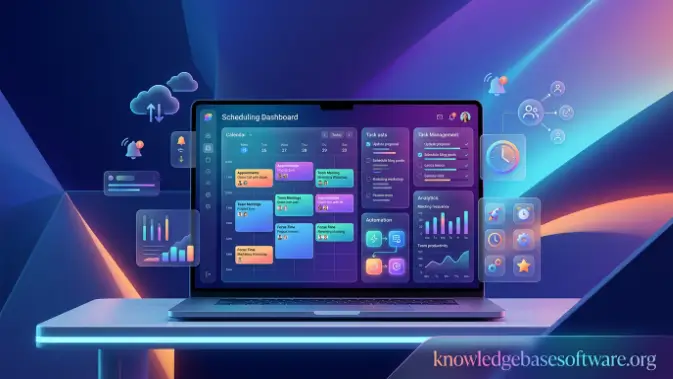
Modern appointment scheduling software allows customers to book services online, view available time slots, and receive instant confirmations. At the same time, business owners can monitor schedules, allocate resources, and manage appointments from a single dashboard. By streamlining these processes, businesses can improve productivity, customer satisfaction, and overall operational efficiency.
How Scheduling Software Works
Most scheduling platforms operate through an automated workflow that simplifies the booking process. Customers can access an online booking software portal, select an available time slot, and confirm their appointment without needing to contact the business directly.
Once a booking is made, the software automatically updates calendars, sends confirmation messages, and schedules reminder notifications. Advanced solutions also support calendar management by syncing appointments across platforms such as Google Calendar and Outlook. Many systems include employee scheduling tools that allow managers to assign shifts, track availability, and coordinate team schedules. Businesses with larger teams can also benefit from workforce scheduling features that help optimize staffing levels and reduce scheduling conflicts.
Businesses That Benefit Most
Many industries rely on scheduling software to streamline daily operations and improve customer service. Common examples include:
- Service businesses that manage recurring appointments and client bookings.
- Consultants who schedule meetings, consultations, and strategy sessions.
- Healthcare providers who coordinate patient appointments and reduce no-shows.
- Salons and spas that manage multiple staff schedules and service bookings.
- Home service companies that organize field technicians and customer visits.
- Freelancers who need an efficient way to manage client appointments and project consultations.
Regardless of industry, small business scheduling software helps businesses save time, improve organization, and create a more professional booking experience.
Read also: small business erp software
Why Small Businesses Need Scheduling Software

Efficient scheduling is one of the most important factors in running a successful small business. Whether you’re managing customer appointments, employee shifts, consultations, or service calls, keeping schedules organized can quickly become complex as your business grows. Relying on spreadsheets, phone calls, emails, or paper calendars often leads to mistakes, wasted time, and frustrated customers. This is why many businesses are turning to small business scheduling software to automate routine tasks, improve organization, and create a better experience for both employees and customers.
Reduce Administrative Work
Manual scheduling consumes a significant amount of time each week. Employees often have to answer phone calls, respond to booking requests, update calendars, confirm appointments, and handle rescheduling requests. These tasks may seem small individually, but they can quickly add up and reduce overall productivity.
With small business scheduling software, many of these responsibilities are automated. Customers can book appointments online, receive instant confirmations, and make changes to their bookings without requiring staff assistance. This reduces administrative workload and allows employees to focus on higher-value activities such as customer service, sales, and business development.
Prevent Double Bookings
Double bookings are one of the most common scheduling problems faced by small businesses. When multiple appointments are accidentally scheduled for the same time slot, businesses risk disappointing customers, damaging their reputation, and losing revenue.
Scheduling software eliminates this issue by displaying real-time availability and automatically blocking booked time slots. As soon as an appointment is confirmed, the system updates all connected calendars, ensuring that staff and customers always have access to accurate scheduling information.
Improve Customer Experience
Today’s customers expect convenience and flexibility when booking services. Many people prefer scheduling appointments online rather than calling during business hours.
Modern scheduling platforms improve the customer experience by offering:
- 24/7 online booking access
- Instant appointment confirmations
- Easy rescheduling options
- Automated reminders
- Faster communication
Providing a seamless booking experience can increase customer satisfaction and encourage repeat business. Customers are more likely to return to businesses that make scheduling simple and hassle-free.
Increase Team Productivity
Managing employee schedules manually can be time-consuming, especially for businesses with multiple team members or locations. Managers often spend hours coordinating availability, adjusting shifts, and communicating schedule changes. Scheduling software centralizes this process by providing a single platform where managers can:
- Assign shifts
- Track employee availability
- Approve time-off requests
- Monitor workloads
- Communicate schedule updates
Employees can also access their schedules from mobile devices, reducing confusion and improving coordination across the team. As a result, businesses can operate more efficiently while minimizing scheduling-related disruptions.
Reduce No-Shows with Automated Reminders
Missed appointments can significantly impact revenue, particularly for appointment-based businesses such as salons, healthcare practices, and consulting firms. Every no-show represents lost income and wasted resources.Scheduling software helps reduce no-shows through automated reminder systems. These reminders can be sent through:
- SMS text messages
- Mobile app notifications
Customers receive notifications before their scheduled appointment, helping them remember their booking or reschedule if necessary. Even a small reduction in no-shows can have a meaningful impact on profitability over time.
Support Business Growth
As a business expands, scheduling becomes increasingly complex. More customers, employees, services, and locations create additional administrative challenges that can overwhelm manual systems.
Small business scheduling software provides the scalability needed to support growth. Advanced scheduling platforms can handle increasing appointment volumes, manage larger teams, integrate with other business tools, and automate processes that would otherwise require additional staff.By reducing operational inefficiencies and improving resource management, scheduling software allows businesses to grow without significantly increasing administrative costs. This makes it a valuable investment for companies looking to scale sustainably while maintaining excellent customer service.
Key Features to Look for in Small Business Scheduling Software
Choosing the right small business scheduling software involves more than comparing prices or selecting the most popular platform. The software you choose should address your business’s unique scheduling challenges while providing the tools needed to improve efficiency, customer satisfaction, and long-term growth. Modern scheduling solutions offer a wide range of features, but some capabilities are far more important than others. Understanding which features deliver the greatest value can help you invest in a solution that supports both your current operations and future business needs. Below are the essential features every business should evaluate before making a decision.
Comparison Table
| Feature | Why It Matters | Business Impact |
| Online Appointment Booking | Allows customers to book services anytime without contacting staff. | Increases bookings, improves convenience, and reduces administrative workload. |
| Calendar Synchronization | Keeps appointments updated across multiple calendars and devices. | Prevents scheduling conflicts and double bookings. |
| Automated Notifications & Reminders | Sends appointment confirmations, reminders, and updates automatically. | Reduces no-shows and improves customer communication. |
| Employee Scheduling & Shift Management | Helps managers organize staff schedules, shifts, and availability. | Improves workforce efficiency and reduces scheduling errors. |
| Customer Self-Service Portal | Enables customers to book, reschedule, or cancel appointments independently. | Enhances customer experience and lowers support requests. |
| Payment Processing Integration | Allows businesses to accept deposits and online payments during booking. | Improves cash flow and reduces missed payments. |
| Mobile App Access | Provides schedule management from smartphones and tablets. | Increases flexibility for business owners and employees. |
| Reporting & Analytics | Tracks appointment trends, customer behaviour, and business performance. | Supports data-driven decisions and operational improvements. |
| CRM Integration | Connects scheduling data with customer relationship management systems. | Improves customer tracking and streamlines workflows. |
| Third-Party Integrations | Links scheduling software with accounting, marketing, and communication tools. | Increases productivity and reduces manual data entry. |
| Custom Booking Rules | Allows businesses to define availability, booking limits, and buffer times. | Ensures scheduling processes align with business needs. |
| Appointment Management | Organises bookings, cancellations, and rescheduling from a single platform. | Saves time and improves scheduling accuracy. |
| Calendar Syncing | Automatically updates appointments across connected calendars. | Maintains real-time scheduling accuracy. |
| Staff Scheduling | Coordinates employee shifts and workload distribution. | Optimises staffing levels and improves team productivity. |
| Scheduling Automation | Automates repetitive scheduling tasks and communications. | Reduces manual work and increases operational efficiency. |
Best Small Business Scheduling Software Solutions Compared
Choosing the right small business scheduling software can significantly improve efficiency, customer satisfaction, and team productivity. While many scheduling platforms offer similar core features, each solution is designed to serve different business needs. Some focus on appointment booking, while others specialize in workforce management, field service operations, or advanced customization.
Below is a detailed comparison of some of the best scheduling software solutions available for small businesses in 2026.
Comparison Table
| Software | Best For | Key Features | Pricing* | Free Plan | Mobile App |
| Calendly | Consultants & Professional Services | Booking links, calendar sync, reminders, team scheduling | Paid plans available | Yes | Yes |
| Acuity Scheduling | Customization | Custom forms, automation, payments, memberships | Paid plans available | No | Yes |
| Square Appointments | Retail & Service Businesses | Scheduling, payments, POS integration, reminders | Free and paid plans | Yes | Yes |
| Setmore | Free Scheduling Software | Online booking, reminders, video meetings | Free and paid plans | Yes | Yes |
| SimplyBook.me | Appointment-Heavy Businesses | Booking website, memberships, marketing tools | Free and paid plans | Yes | Yes |
| Zoho Bookings | Zoho Users | CRM integration, workflow automation, and scheduling | Paid plans available | Limited | Yes |
| Jobber | Field Service Businesses | Dispatching, routing, invoicing, scheduling | Paid plans available | No | Yes |
| Homebase | Employee Scheduling | Shift management, time tracking, and team communication | Free and paid plans | Yes | Yes |
Common Scheduling Challenges and How Software Solves Them
Scheduling may seem like a simple business function, but it often becomes one of the biggest operational challenges as a company grows. Managing appointments, coordinating employees, handling customer requests, and keeping calendars updated can quickly become overwhelming when done manually. Even small scheduling errors can lead to lost revenue, unhappy customers, reduced productivity, and increased administrative costs. Fortunately, small business scheduling software is designed to address these challenges through automation, real-time updates, and streamlined communication.
Missed Appointments
Missed appointments are a major concern for appointment-based businesses. When customers forget their scheduled bookings, businesses lose valuable time and revenue. Empty appointment slots often cannot be filled on short notice, resulting in lost opportunities and reduced productivity.
Scheduling software helps solve this problem through automated reminder systems. Once an appointment is booked, the system can automatically send confirmation emails, text messages, and reminder notifications before the scheduled time. Customers receive timely alerts that help them remember their appointments or reschedule if necessary.
Benefits include:
- Fewer no-shows
- Increased revenue
- Better customer attendance rates
- Reduced administrative follow-up
By automating reminders, businesses can significantly decrease the number of missed appointments without requiring additional staff effort.
Scheduling Conflicts
Scheduling conflicts occur when multiple appointments are booked for the same time slot or when employees are assigned overlapping responsibilities. These errors can create frustration for both customers and staff while damaging a company’s professional reputation.
Manual scheduling systems are particularly vulnerable to these mistakes because updates may not be reflected immediately across all calendars and team members.
Scheduling software eliminates conflicts by providing:
- Real-time availability updates
- Automatic calendar synchronization
- Instant schedule adjustments
- Shared team calendars
As soon as a booking is confirmed, the software updates availability across all connected systems, preventing duplicate appointments and ensuring accurate scheduling information at all times.
Manual Calendar Updates
Many small businesses still rely on manually updating calendars, spreadsheets, and appointment books. While this approach may work initially, it becomes increasingly difficult to manage as appointment volumes grow.
Manual updates often result in:
- Human errors
- Outdated information
- Time-consuming administrative work
- Missed scheduling changes
Modern scheduling software automatically updates calendars whenever appointments are booked, canceled, or rescheduled. This ensures that all stakeholders have access to the latest scheduling information without requiring manual intervention.
Automated calendar management provides several advantages:
- Improved accuracy
- Time savings
- Reduced administrative workload
- Better schedule visibility
Business owners and employees can spend less time managing calendars and more time focusing on customers and core business activities.
Staff Availability Issues
Coordinating employee schedules can be challenging, especially for businesses with multiple team members, locations, or shift patterns. Managers often struggle to track availability, approve time-off requests, and ensure adequate staffing levels.
Without proper scheduling tools, businesses may experience:
- Understaffing during busy periods
- Overstaffing during slow periods
- Scheduling conflicts among employees
- Increased labor costs
Scheduling software simplifies workforce management by allowing managers to view employee availability in real time and assign shifts accordingly. Many platforms also allow employees to update their availability, request time off, and swap shifts through self-service portals.
This improves workforce planning by:
- Optimizing staff allocation
- Reducing scheduling conflicts
- Improving employee satisfaction
- Enhancing operational efficiency
Businesses can ensure the right employees are available at the right time while maintaining better control over labor costs.
Customer Communication Delays
Effective communication is essential for maintaining strong customer relationships. However, businesses that rely on manual communication methods often struggle to respond quickly to appointment requests, schedule changes, and customer inquiries.
Communication delays can lead to:
- Lost bookings
- Customer frustration
- Increased support requests
- Reduced customer satisfaction
Scheduling software helps streamline communication through automated messaging and real-time notifications. Customers receive immediate confirmations when appointments are booked, along with updates if changes occur.
Common automated communications include:
- Booking confirmations
- Appointment reminders
- Cancellation notifications
- Follow-up messages
- Customer feedback requests
These automated interactions improve responsiveness while reducing the workload on staff members. Customers receive the information they need quickly, creating a more professional and reliable experience.
By addressing challenges such as missed appointments, scheduling conflicts, manual updates, staff availability issues, and communication delays, small business scheduling software helps organizations operate more efficiently and deliver a superior customer experience. As businesses continue to grow, these solutions become increasingly valuable for maintaining organization, improving productivity, and supporting long-term success.
Common Mistakes When Choosing Scheduling Software
Selecting the right small business scheduling software can have a significant impact on your company’s efficiency, customer satisfaction, and long-term growth. However, many business owners make the mistake of focusing on a single factor rather than evaluating the software as a complete business solution. A platform that appears affordable or feature-rich at first glance may create operational challenges if it does not align with your specific business needs. Understanding the most common mistakes businesses make during the selection process can help you avoid costly decisions and choose a scheduling solution that delivers long-term value.
Choosing Based Only on Price
One of the biggest mistakes businesses make is selecting scheduling software solely because it is the cheapest option available. While controlling costs is important, focusing exclusively on price often leads to sacrificing essential features, scalability, and support.
Low-cost solutions may lack:
- Advanced automation tools
- Calendar integrations
- Reporting capabilities
- Employee scheduling features
- Customer support options
As your business grows, you may eventually need to switch platforms, resulting in additional migration costs and operational disruptions.
Instead of evaluating software based only on monthly subscription fees, consider its overall value, including productivity improvements, time savings, customer experience enhancements, and growth potential.
Ignoring Integrations
Scheduling software rarely operates as a standalone tool. Most businesses rely on multiple systems for customer management, accounting, marketing, communication, and payments.
Failing to evaluate integration capabilities can create several challenges:
- Duplicate data entry
- Inconsistent customer records
- Increased administrative work
- Reduced operational efficiency
Before choosing a scheduling platform, verify that it integrates with the tools your business already uses, such as:
- CRM software
- Accounting platforms
- Email marketing systems
- Payment gateways
- Communication tools
Strong integrations help create a seamless workflow and eliminate unnecessary manual processes.
Overlooking Mobile Accessibility
In today’s business environment, flexibility is essential. Many business owners, managers, and employees need access to schedules while working remotely, traveling, or serving customers on-site. Some businesses overlook mobile functionality during the software selection process, only to discover later that managing schedules from a desktop computer is inconvenient and restrictive.
A quality scheduling solution should offer:
- Mobile applications for iOS and Android
- Real-time schedule updates
- Appointment management on the go
- Mobile notifications
- Employee access to schedules
Mobile accessibility ensures that schedules remain available wherever work happens, helping businesses stay responsive and organized.
Not Planning for Growth
A scheduling solution that works well for a small team today may not be suitable as the business expands. Many companies choose software based on their current needs without considering future growth.
As businesses scale, they may require:
- Additional user accounts
- Multiple locations
- Advanced reporting
- Expanded automation
- Workforce management tools
- Greater customization
If the software cannot accommodate these requirements, businesses may be forced to migrate to a new platform sooner than expected.
When evaluating scheduling software, consider where your business will be in the next three to five years. Choosing a scalable platform can save time, money, and operational disruptions in the future.
Skipping Employee Training
Even the most advanced scheduling software can fail to deliver results if employees do not understand how to use it effectively. Some businesses assume that staff members will automatically adapt to new systems without formal training.
This often results in:
- User errors
- Low adoption rates
- Scheduling mistakes
- Frustrated employees
- Reduced return on investment
Successful implementation requires proper onboarding and ongoing support. Businesses should provide employees with clear instructions, training sessions, and access to support resources during the transition process.
Encouraging employees to learn the platform’s features helps maximize efficiency and ensures the organization receives the full benefit of its scheduling software investment.
Avoiding these common mistakes can significantly improve the likelihood of selecting the right small business scheduling software for your organization. By focusing on long-term value, integration capabilities, scalability, mobile accessibility, and employee adoption, businesses can choose a solution that supports both current operations and future growth.
Future Trends in Small Business Scheduling Software
The future of small business scheduling software is being shaped by rapid advancements in automation, artificial intelligence, and data-driven decision-making. As businesses demand faster, smarter, and more efficient ways to manage appointments, employee shifts, and customer communication, scheduling platforms are evolving beyond simple calendar tools into intelligent business management systems. These innovations are designed to reduce manual workload, improve accuracy, enhance customer experience, and help businesses make better operational decisions in real time.
Key Future Trends
- AI-powered scheduling that automatically optimizes appointment times and reduces gaps
- Predictive workforce planning based on historical demand and customer behavior
- Fully automated customer communication across SMS, email, and mobile notifications
- Smart resource allocation for staff, rooms, and equipment optimization
- Advanced analytics for real-time business performance insights
- Deeper integration with CRM and business management tools
- Voice-activated and conversational scheduling assistants
- Hyper-personalized booking experiences based on customer history
- Real-time dynamic rescheduling based on cancellations or delays
- Increased use of cloud-based and mobile-first scheduling platforms
Frequently Asked Questions
What is small business scheduling software used for?
Small business scheduling software is used to automate appointment booking, manage employee schedules, organize calendars, and streamline customer communication. It replaces manual methods like spreadsheets and phone bookings with an automated system that improves efficiency and reduces scheduling errors.
Is scheduling software suitable for all types of small businesses?
Yes, scheduling software is suitable for a wide range of businesses, including service providers, consultants, healthcare clinics, salons, home service companies, and freelancers. Any business that relies on appointments, bookings, or staff scheduling can benefit from using it.
Can scheduling software reduce no-shows?
Yes, most scheduling platforms include automated reminders via email, SMS, or mobile notifications. These reminders help customers remember their appointments and significantly reduce no-show rates, which directly improves revenue and productivity.
Does scheduling software integrate with calendars and other tools?
Most modern systems support integration with tools like Google Calendar, Outlook, CRM systems, payment gateways, and marketing platforms. These integrations improve calendar management, reduce manual work, and ensure seamless data flow across business systems.
How much does small business scheduling software cost?
Pricing varies depending on features and business size. Basic plans may start at a low monthly cost, while advanced solutions with automation, analytics, and workforce scheduling features can be more expensive. Many providers also offer free plans or trials to help businesses get started.
What features should I prioritize when choosing scheduling software?
Key features to prioritize include online booking, calendar synchronization, automated reminders, employee scheduling, mobile access, and integration capabilities. Choosing the right features ensures better appointment management, improved efficiency, and long-term scalability.
Conclusion
Choosing the right small business scheduling software is no longer just a convenience; it is a strategic decision that directly impacts efficiency, customer satisfaction, and business growth. As organizations continue to handle increasing appointment volumes, manage distributed teams, and meet rising customer expectations, manual scheduling methods simply cannot keep up. Modern scheduling platforms bring structure and automation to what was once a time-consuming and error-prone process. With features like online booking, calendar management, employee scheduling, automated reminders, and real-time updates, businesses can significantly reduce administrative workload while improving accuracy and responsiveness.
These tools also enhance the customer experience by offering seamless booking options and faster communication. Beyond daily operations, scheduling software plays a crucial role in long-term business success. It supports scalability, improves resource allocation, and provides valuable insights through analytics and reporting. Whether you are a consultant, salon owner, healthcare provider, or service-based business, the right solution can help you operate more efficiently and grow with confidence.