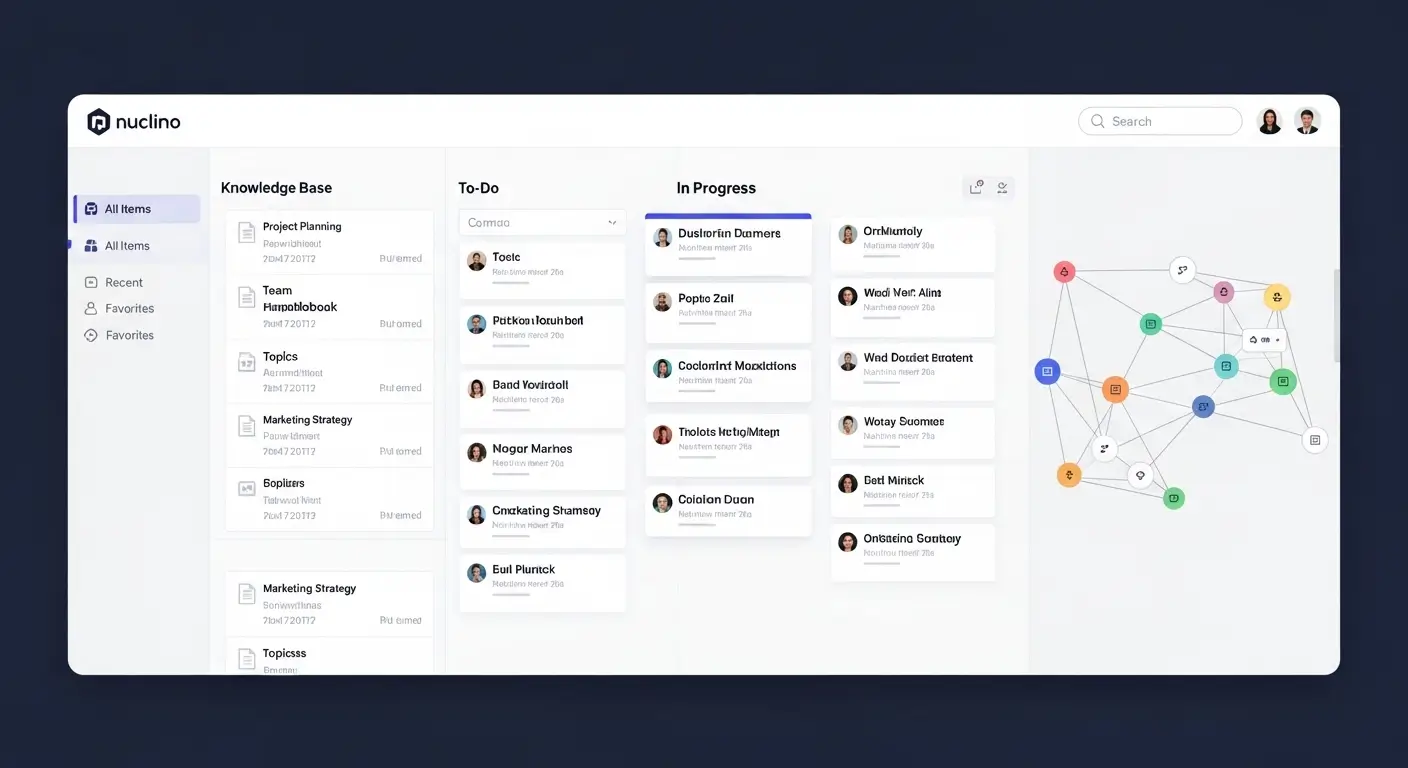

Welcome to knowledgebasesoftware. The landscaping and lawn maintenance industry is becoming more competitive, making efficient business management essential for long-term success. Today, lawn care business software helps companies handle essential daily tasks, including scheduling services, communicating with customers, managing invoices, and coordinating employees. By bringing these activities into one centralized platform, it replaces scattered spreadsheets, phone calls, and paper records with automated digital workflows. This approach saves time, improves productivity, enhances customer satisfaction, and supports sustainable business growth.
Modern lawn care companies must deliver reliable services while managing recurring appointments, multiple crews, and jobs across different locations. Solutions such as landscaping CRM systems, field service management platforms, and lawn care scheduling software simplify the entire process, from tracking new leads to completing scheduled jobs. Features such as automation, GPS tracking, and mobile access help minimize mistakes, optimize travel routes, and keep customers informed. As a result, businesses can maintain consistent service quality while managing their operations more effectively.
What Is Lawn Care Business Software?
Lawn care business software is a digital platform that helps landscaping and lawn maintenance companies organize, automate, and manage their daily activities. Rather than depending on spreadsheets, phone calls, and handwritten schedules, businesses can use a single system to coordinate jobs, communicate with customers, and track essential operations. This centralized approach improves accuracy, reduces administrative work, and gives business owners more time to focus on delivering quality services and expanding their businesses.
Core Definition
At its core, lawn care business software is a specialized management solution designed for lawn maintenance and landscaping businesses. It enables companies to organize service appointments, maintain customer records, automate billing, and coordinate field teams. Unlike general-purpose business applications, it addresses the specific needs of outdoor service providers, where job scheduling, travel routes, weather conditions, and seasonal demand can significantly affect daily operations.
These platforms commonly offer features such as lawn care scheduling software, GPS tracking, and automated invoicing. By bringing these tools together, businesses can reduce repetitive administrative tasks, organize their workloads, and ensure that services are scheduled, completed, and billed accurately and on time.
Who Uses It (Solo Landscapers to Large Companies)
Lawn care business software serves professionals and businesses of all sizes across the landscaping industry. Independent landscapers can use it to organize appointments, maintain customer information, and keep track of upcoming visits. Small teams benefit from improved scheduling and communication, while expanding businesses can manage a larger customer base without adding unnecessary administrative work.
Larger landscaping companies use field service management software to coordinate multiple crews, organize complex schedules, and oversee numerous jobs across different service areas. These platforms make it easier to assign tasks, dispatch workers, monitor job progress, and evaluate team performance. Centralized management also helps maintain consistent service standards as the business grows.
How It Works in Daily Operations
During daily operations, lawn care business software serves as a central platform for managing customer requests and service jobs. When a customer requests a service, the information is recorded in the system and converted into a job. The business can then assign the task to an available technician and schedule it according to workload, customer preferences, and team availability. This organized process reduces scheduling conflicts and helps prevent missed appointments.
After a job is assigned, field workers can access its details through a mobile app, including the service location, work instructions, and relevant customer notes. Once the work is complete, they can update the job status, upload photos as proof of service, and generate an invoice through lawn care invoicing software. This connected workflow speeds up billing, improves communication between office staff and field teams, and helps the business maintain accurate records while operating more efficiently.
Read Also: Best Cleaning Business Software 2026: Features, Pricing & Guide
Must-Have Features in Lawn Care Software

Modern lawn care business software is designed to simplify daily operations by bringing essential business tools together in one platform. Running a successful landscaping company requires more than basic appointment scheduling; businesses also need automation, real-time communication, and reliable performance data. These capabilities reduce administrative workloads, improve productivity, and help teams deliver consistent services across multiple jobs and locations. Most advanced platforms combine lawn care scheduling software, customer relationship management, and GPS tracking to create a more connected and efficient workflow.
Job Scheduling & Calendar Management
Job scheduling is a fundamental feature of lawn care business software, helping businesses organize tasks, assign crews, and complete services according to planned timelines. A visual calendar allows managers to schedule jobs using drag-and-drop tools, allocate workers, and make adjustments as priorities or availability change. This improves visibility across the team and helps prevent overlapping appointments, scheduling conflicts, and missed customer visits.
Advanced lawn care scheduling software also supports recurring appointments, seasonal service planning, and automatic reminders. These features are particularly valuable for businesses managing weekly mowing schedules or monthly maintenance contracts because they help maintain consistent service without requiring staff to arrange every appointment manually.
CRM for Customer Tracking
A built-in CRM within lawn care business software provides a central location for storing and managing customer information. Businesses can maintain contact details, service records, property-specific instructions, and communication histories in one accessible system. Having this information readily available helps employees respond more effectively to customer requests and deliver services that match individual preferences.
With landscaping CRM systems, companies can organize potential customers, schedule follow-ups, and strengthen client retention. Customer records can also reveal repeat purchasing patterns and identify valuable accounts, helping businesses develop more effective marketing campaigns and relevant upselling opportunities.
GPS & Route Optimization Tools
GPS tracking and route optimization help lawn care business software reduce unnecessary driving, save fuel, and improve daily scheduling efficiency. By calculating practical routes between service locations, these tools help field teams spend less time traveling and more time completing customer jobs. Efficient routing is especially beneficial for companies serving multiple properties across large geographic areas.
Through field service management software, managers can monitor technician locations and review job progress in real time. This visibility supports better dispatching decisions, improves accountability, and helps businesses respond more quickly to urgent requests or unexpected schedule changes.
Mobile App for Field Teams
Mobile applications are an important part of lawn care business software, giving field technicians convenient access to work information while away from the office. Employees can check assigned jobs, review daily schedules, receive changes, and communicate with office staff directly from their mobile devices. This reduces unnecessary calls and ensures workers have the information needed to complete each task correctly.
Many lawn care scheduling software platforms also allow technicians to upload before-and-after photos, update job statuses, and collect customer signatures. These capabilities improve service transparency, create useful job records, and reduce paperwork, helping field teams work more efficiently.
Estimates & Invoicing Automation
Automated estimates and invoicing help lawn care business software simplify the financial side of service operations. Businesses can prepare quotes, share them with customers, and convert approved estimates into invoices when the work is completed. Automating these steps reduces repetitive data entry, minimizes billing mistakes, and helps prevent delays between completing a job and requesting payment.
With lawn care invoicing software, companies can also schedule recurring charges for ongoing maintenance agreements. This makes billing more consistent, supports healthier cash flow, and helps businesses maintain a clearer picture of expected revenue.
Payment Integration
Payment integration enables lawn care business software to accept convenient payment methods, including credit cards, digital wallets, and online bank transfers, depending on the platform and payment provider. Offering flexible payment options makes transactions easier for customers and can reduce delays caused by manual payment collection.
When integrated with field service management software, payment tools can support immediate invoice delivery after a job is completed. Some platforms also allow customers to pay online through secure payment links, helping businesses collect outstanding balances faster and spend less time following up on unpaid invoices.
Reporting & Analytics
Reporting and analytics tools in lawn care business software help owners understand how efficiently their companies operate. Depending on the platform, reports can track revenue, completed jobs, labor productivity, customer retention, and other important performance indicators. These insights make it easier to identify operational weaknesses and measure progress toward business goals.
By using landscaping CRM systems with reporting capabilities, companies can recognize customer trends, evaluate service demand, and improve resource allocation. Data-driven decisions can help businesses refine schedules, control operating costs, increase profitability, and plan for future growth.
Key Benefits of Lawn Care Business Software
Lawn care business software enables landscaping companies to organize their operations, improve customer relationships, and increase productivity through connected digital tools. By replacing disconnected manual processes with automated workflows, businesses can manage scheduling, billing, customer records, and employee coordination more efficiently. These systems help reduce administrative mistakes, save valuable time, and give business owners greater control over costs and performance. With the right solution, companies can focus more on sustainable growth and delivering dependable lawn care services.
Key Benefits
- Automates job scheduling to minimize missed appointments and improve daily workflow efficiency across lawn care teams.
- Improves customer management through landscaping CRM systems, supporting effective communication and stronger long-term client relationships.
- Accelerates invoicing with automated billing features, helping businesses collect payments sooner and reduce outstanding balances.
- Optimizes service routes through GPS tracking, lowering unnecessary travel time and fuel expenses for field teams.
- Boosts employee productivity by providing mobile access to job assignments, customer instructions, and real-time schedule updates.
- Reduces paperwork by digitizing routine tasks and keeping essential business information organized in one centralized system.
- Improves job accuracy by reducing manual errors in scheduling, dispatching, invoicing, and customer record management.
- Enhances customer satisfaction through timely responses, reliable appointments, and consistent service delivery.
- Provides useful performance insights through reporting dashboards, helping managers make informed operational and financial decisions.
- Supports business expansion with scalable automation and field service management software that can accommodate additional employees, customers, and service locations.
Top Use Cases in Lawn Care Businesses
Lawn care business software supports different types of landscaping operations by improving scheduling, organizing customer information, and simplifying service management. From maintaining residential gardens to managing large commercial properties, these platforms can adapt to different workloads and business requirements. They help companies coordinate appointments, communicate with clients, and manage billing through structured digital workflows. By combining field service management software with lawn care scheduling software, businesses can handle a wider variety of jobs while maintaining accurate records and dependable service standards. This makes it easier to meet customer expectations and prevent avoidable operational delays.
Residential Lawn Maintenance
Lawn care business software is particularly useful for residential maintenance businesses that provide recurring services such as mowing, edging, trimming, and seasonal yard cleanup. Companies can establish weekly or biweekly schedules, organize customer appointments, and receive reminders about upcoming visits. Automated scheduling reduces the likelihood of missed services while helping businesses maintain predictable workloads and more consistent relationships with homeowners.
Through landscaping CRM systems, companies can record property details, customer preferences, and previous service activities. These records help technicians follow specific instructions, such as preferred mowing heights or areas requiring extra attention. Businesses can also use customer histories to plan seasonal treatments and provide more personalized services, improving satisfaction and retention.
Commercial Landscaping Contracts
For commercial landscaping companies, lawn care business software helps manage contracts that involve multiple properties, larger service areas, and detailed performance requirements. These projects often require several crews to coordinate their schedules and complete work according to agreed service plans. Managing these responsibilities manually can increase the risk of missed tasks, communication gaps, and inconsistent recordkeeping.
With field service management software, businesses can assign crews, monitor job progress, document completed work, and prepare reports for commercial customers. These capabilities improve visibility into service delivery, help companies track contractual obligations, and provide evidence of completed tasks when needed. Better coordination also supports stronger relationships with property managers and commercial clients.
Seasonal Service Management
Lawn care business software helps businesses manage seasonal services such as snow removal, leaf collection, and scheduled fertilization. Because these services depend on weather conditions, seasonal demand, and changing property needs, companies require flexible scheduling and the ability to adjust workloads quickly. A centralized system makes it easier to coordinate resources during busy periods and avoid unnecessary downtime when demand decreases.
Using lawn care scheduling software, businesses can plan seasonal service programs, organize recurring tasks, and revise appointments when weather or operating conditions change. Managers can also allocate available crews and equipment according to demand. This flexibility helps companies handle peak-season workloads more efficiently while preparing for quieter periods.
Common Mistakes When Choosing Software
Choosing appropriate lawn care business software is important for maintaining efficient operations and supporting the long-term growth of a landscaping company. Some business owners focus primarily on subscription prices or basic scheduling tools without evaluating usability, scalability, automation, and integration options. As a result, they may invest in software that does not meet their actual needs or is difficult for employees to use consistently. Recognizing common selection mistakes helps businesses choose a practical solution that supports productivity, customer satisfaction, and future expansion.
Common Mistakes:
- Selecting software solely because it is inexpensive without checking whether its features and scalability meet business requirements.
- Overlooking mobile usability, making it harder for field teams to use field service management software effectively during daily jobs.
- Failing to check integration options for accounting applications, CRM platforms, and lawn care scheduling software.
- Choosing unnecessarily complicated software that makes routine tasks harder for employees and slows down operations.
- Ignoring future expansion needs, which can result in software limitations as the customer base and workforce grow.
- Failing to evaluate customer support before committing to a long-term subscription or software agreement.
- Overlooking automation capabilities, leaving employees dependent on manual scheduling, repetitive data entry, and invoicing.
- Choosing a platform with limited reporting features, reducing visibility into business performance and operational costs.
- Skipping free trials or demonstrations, making it difficult to assess usability and suitability for real-world workflows.
- Neglecting employee training, which can lead to poor adoption and limited use of landscaping CRM systems’ features.
Pricing of Lawn Care Business Software
Understanding the cost of lawn care business software helps landscaping companies select a solution that fits their budgets, operational requirements, and growth plans. Prices depend on factors such as available features, the number of users, automation capabilities, and whether tools like CRM, scheduling, and invoicing are included. Some providers offer free plans with basic functionality, while professional platforms generally charge recurring subscription fees. Comparing pricing structures alongside the features provided helps businesses avoid paying for tools they do not need. Since many platforms bundle lawn care scheduling software and field service management software into a single package, it is important to evaluate the overall value rather than choosing solely on the advertised monthly price.
Free vs Paid Tools
Free lawn care business software plans typically provide limited features, such as basic appointment scheduling or simple customer record management. They can be suitable for independent landscapers and startups that want to move away from paper-based processes without making an immediate financial commitment. However, free plans may restrict the number of users, available integrations, reporting capabilities, or automation features.
Paid solutions generally offer more comprehensive tools, including landscaping CRM systems, automated invoicing, GPS tracking, and mobile workforce management. Depending on the subscription, businesses may also gain access to advanced reporting, customer notifications, and additional integrations. These capabilities can reduce administrative workloads and support business expansion, making paid software worth considering when its benefits justify the cost.
Subscription Models (Per User / Per Month)
Most lawn care business software providers use subscription-based pricing, with fees charged monthly, annually, or according to the number of users. This model allows companies to choose a plan based on their team size, required features, and expected workload. Some providers charge a fixed monthly fee, while others increase the price as additional employees or capabilities are added.
Per-user pricing is common in field service management software, where technicians and office employees may each need separate accounts. Subscription tiers often differ in the number of users, automation tools, reporting options, and integration support. Reviewing these differences helps growing landscaping businesses select a plan that meets current needs without creating unnecessary expenses.
Hidden Costs to Watch
When comparing lawn care business software, businesses should look beyond the advertised subscription fee to identify additional expenses. These may include initial setup charges, employee onboarding, data migration, payment processing fees, or separate charges for premium features and third-party integrations. Depending on the provider, adding more users or upgrading to a higher plan may also increase the total cost.
Some lawn care scheduling software platforms charge extra for text message notifications, advanced analytics, or API access. Businesses should also check whether customer support, training, and essential integrations are included in the subscription. Understanding these potential costs before purchasing helps prevent unexpected expenses and makes it easier to assess the software’s long-term affordability.
Future Trends in Lawn Care Software
Lawn care business software continues to evolve as new technologies reshape the landscaping and field service industries. Companies are increasingly adopting digital solutions that automate repetitive tasks, improve resource allocation, and provide better visibility into business performance. Artificial intelligence, predictive analytics, and connected devices are creating new opportunities to manage schedules, coordinate field teams, and improve customer communication. As these technologies become more widely available, lawn care businesses can expect more flexible workflows, better operational insights, and improved scalability.
Future Trends:
- AI-powered scheduling can improve route planning, balance workloads, and recommend job assignments within field service management software.
- Predictive analytics can estimate seasonal lawn care demand using weather forecasts, historical service records, and local conditions.
- Greater automation is reducing repetitive administrative tasks in lawn care scheduling software, helping businesses process jobs more efficiently.
- Real-time analytics are providing clearer insights into employee productivity, service completion, and overall landscaping business performance.
- Mobile-first platforms are improving field operations by giving technicians faster access to schedules, customer notes, and job updates.
- IoT integration can connect smart irrigation systems, lawn sensors, and equipment to support more informed maintenance decisions.
- Cloud-based platforms are enabling remote access, real-time collaboration, and easier scaling as landscaping businesses expand.
- Personalized customer experiences are becoming easier to deliver through landscaping CRM systems that support tailored communications and relevant service offers.
- AI-powered chatbots can handle routine customer questions, appointment requests, and basic support, allowing staff to focus on more complex issues.
- Eco-friendly optimization tools can help reduce unnecessary driving, fuel consumption, emissions, and operating expenses for lawn care businesses.
Frequently Asked Questions
What is lawn care business software used for?
Lawn care business software is used to manage scheduling, customer relationships, invoicing, dispatching, and field operations in landscaping businesses. It centralizes all workflows into one system.
Is lawn care software good for small businesses?
Yes, small businesses benefit greatly from lawn care business software because it reduces manual work, improves organization, and helps them operate more efficiently with limited staff.
Does lawn care business software include invoicing?
Most modern lawn care business software includes invoicing features, allowing businesses to create estimates, send invoices, and accept payments digitally.
Can lawn care software improve team productivity?
Yes, it improves productivity by using field service management software tools that assign jobs, optimize routes, and provide real-time updates to field workers.
Is mobile access important in lawn care software?
Absolutely. Mobile access ensures technicians can view schedules, update job status, and communicate with the office using lawn care scheduling software while in the field.
Conclusion
Lawn care business software has become an essential tool for modern landscaping companies that want to improve efficiency, reduce manual workload, and deliver better customer experiences. By centralizing operations such as scheduling, invoicing, CRM, and dispatching, it helps businesses stay organized and competitive in a fast-growing industry. The integration of tools like field service management software and lawn care scheduling software ensures smoother workflows and fewer operational errors.
As the industry continues to evolve, adopting the right lawn care business software is no longer optional but a strategic necessity for growth. Companies that invest in the right system today will benefit from improved productivity, stronger customer relationships, and long-term profitability in the future.