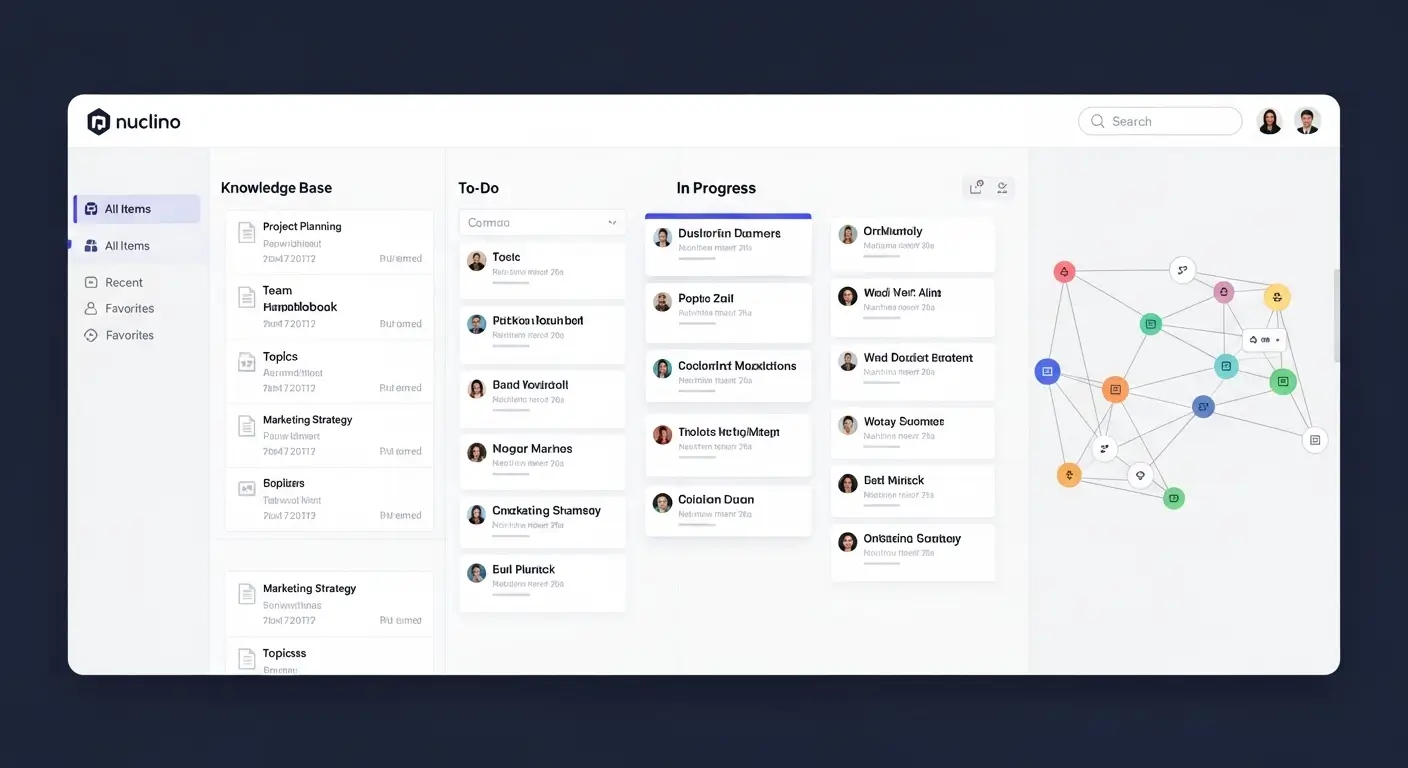
Welcome to knowledgebasesoftware. In today’s fast-moving digital economy, businesses are under constant pressure to operate more efficiently, reduce costs, and respond quickly to market changes. Traditional software systems that run on local servers often struggle to meet these demands due to limited accessibility, high maintenance costs, and fragmented data management. This is where cloud business management software plays a transformative role. It provides a unified digital environment where organizations can manage core operations such as finance, sales, human resources, inventory, and customer relationships from a single, internet-based platform. Instead of relying on disconnected tools, businesses gain a centralized system that improves visibility, coordination, and decision-making across departments.
Unlike traditional systems, modern cloud ERP and SaaS business software solutions are designed for flexibility and scalability. They allow companies to access real-time data from anywhere, enabling remote teams to collaborate seamlessly and make faster, data-driven decisions. This shift toward online business management platforms is not just a technological upgrade; it represents a fundamental change in how organizations operate and grow.
What Is Cloud Business Management Software?
Cloud business management software refers to an integrated digital solution that enables organizations to manage multiple core business functions through a single, internet-based platform. Instead of using separate tools for accounting, customer management, inventory, and operations, businesses can unify everything in one system. This approach improves efficiency, reduces data fragmentation, and provides real-time visibility into business performance.
At its core, this type of software is designed to streamline operations and support decision-making across departments. Modern businesses increasingly rely on cloud ERP and SaaS business software solutions to replace traditional on-premise systems, allowing them to scale faster and operate with greater flexibility in a competitive environment.
Definition and Core Purpose
The primary purpose of cloud business management software is to centralize business operations in a single, cloud-hosted environment. This means all critical data—such as financial records, customer information, sales pipelines, and inventory levels is stored securely online and accessible from anywhere. Businesses no longer need to rely on disconnected systems or manual data transfers between departments.
In practice, this creates a unified online business management platform that improves collaboration and operational transparency. Employees across different departments can access the same real-time data, reducing errors and improving workflow efficiency. This centralized approach also supports better reporting and forecasting, which helps leadership make more informed strategic decisions.
How Cloud-Based Systems Work
Cloud-based systems operate by hosting software applications on remote servers managed by service providers. Users access the system through web browsers or mobile apps, eliminating the need for local installation or complex IT infrastructure. All updates, backups, and security measures are handled by the provider, ensuring smooth and continuous operation.
These systems function as scalable cloud operations software, meaning businesses can easily increase or reduce usage based on their needs. Data is processed in real time, allowing teams to collaborate instantly and access up-to-date insights. This makes cloud platforms highly efficient for organizations with remote teams or multi-location operations.
Cloud Software vs On-Premise Software
The key difference between cloud-based and on-premise systems lies in how and where the software is hosted. Cloud solutions are delivered over the internet, while on-premise software is installed locally on company servers. This distinction impacts cost, scalability, maintenance, and accessibility.
Below is a clear comparison:
| Feature | Cloud Software | On-Premise Software |
| Deployment | Internet-based access | Installed on local servers |
| Initial Cost | Low subscription cost | High upfront investment |
| Maintenance | Managed by the provider | Managed internally |
| Updates | Automatic and continuous | Manual installation required |
| Accessibility | Access from anywhere | Limited to the office/network |
| Scalability | Easily scalable | Limited by hardware capacity |
| Data Security | Managed by a vendor with encryption | Controlled internally |
Overall, cloud ERP and modern cloud systems offer greater flexibility, lower operational burden, and faster deployment compared to traditional on-premise solutions. This makes them the preferred choice for businesses seeking agility and long-term scalability.
Read Also: Landscape Business Management Software Guide 2026
Key Features of Cloud Business Management Software

Cloud business management software is designed to unify and streamline all essential business operations within a single digital ecosystem. Its core strength lies in bringing multiple departments such as finance, sales, HR, inventory, and operations onto one centralized platform. This integration eliminates data silos, reduces manual work, and improves overall business efficiency. Modern businesses rely on advanced SaaS business software and cloud ERP systems to ensure smooth coordination between teams and real-time access to critical data.
Financial and Accounting Management
One of the most critical components of cloud business management software is financial and accounting management. This feature helps businesses track income, expenses, budgets, and financial performance in real time. It replaces traditional spreadsheets and disconnected accounting tools with a unified system that improves accuracy and transparency.
With integrated cloud operations software, businesses can automate financial processes such as invoicing, payroll calculations, tax management, and financial reporting. This reduces human error and ensures compliance with regulatory standards while providing decision-makers with up-to-date financial insights.
Customer Relationship Management (CRM)
Customer Relationship Management (CRM) is another essential feature that allows businesses to manage interactions with current and potential customers. Cloud business management software integrates CRM tools to track leads, manage sales pipelines, and improve customer communication.
Through online business management platforms, businesses gain a 360-degree view of customer behavior, purchase history, and engagement patterns. This enables personalized marketing strategies, improved customer support, and stronger long-term relationships.
Project Management Tools
Project management capabilities within cloud business management software help organizations plan, execute, and monitor projects efficiently. Teams can assign tasks, set deadlines, track progress, and collaborate in real time from anywhere.
Using cloud ERP systems, managers can allocate resources effectively and ensure projects stay on schedule and within budget. This level of visibility reduces delays, improves accountability, and enhances team productivity.
Inventory and Supply Chain Management
Inventory and supply chain management features enable businesses to track stock levels, manage warehouses, and streamline procurement processes. Cloud business management software ensures that inventory data is updated in real time across all locations.
With SaaS business software, companies can forecast demand, prevent stock shortages, and optimize supply chain operations. This leads to reduced costs, improved delivery times, and better customer satisfaction.
Human Resources and Payroll
Human resource management is another key feature that simplifies employee data management, recruitment, payroll processing, and performance tracking. Cloud business management software centralizes HR operations to improve efficiency and compliance.
Through cloud operations software, organizations can automate payroll calculations, manage employee benefits, and streamline onboarding processes. This reduces administrative workload and allows HR teams to focus on strategic workforce planning.
Reporting and Business Intelligence
Reporting and business intelligence tools provide real-time insights into business performance. Cloud business management software generates customizable dashboards and analytical reports that help organizations track KPIs and measure success.
Using cloud ERP analytics, decision-makers can identify trends, forecast outcomes, and make data-driven decisions. This improves strategic planning and ensures businesses remain competitive in dynamic markets.
Workflow Automation
Workflow automation is a powerful feature that eliminates repetitive manual tasks and improves operational efficiency. Cloud business management software automates processes such as approvals, notifications, and task assignments.
With online business management platforms, businesses can design automated workflows that ensure consistency and reduce delays. This leads to faster execution, fewer errors, and improved productivity across departments.
Mobile Accessibility and Remote Work Support
Mobile accessibility ensures that employees can access business systems from any device, anywhere in the world. Cloud business management software supports remote work by providing secure mobile applications and real-time data access.
Through SaaS business software, teams can collaborate effectively even when working remotely. This flexibility improves responsiveness, enhances communication, and supports modern hybrid work environments.
Benefits of Using Cloud Business Management Software
Cloud business management software delivers significant advantages for modern organizations by centralizing operations, improving efficiency, and enabling real-time decision-making across departments. It replaces traditional fragmented systems with a unified, cloud-based environment that supports scalability, automation, and collaboration. Businesses of all sizes benefit from reduced IT costs, improved data accessibility, and enhanced operational control. With increasing reliance on digital transformation, cloud solutions have become essential for maintaining competitiveness, agility, and long-term sustainable growth in rapidly evolving markets.
Key Benefits
- Reduces infrastructure and IT maintenance costs through a scalable subscription-based cloud deployment model
- Enables real-time access to business data for faster and more accurate decision-making across teams
- Improves collaboration by allowing departments to work on shared centralized information systems
- Enhances scalability, allowing businesses to expand operations without major hardware investments
- Strengthens data security through encrypted storage and managed cloud provider protection systems
- Automates repetitive tasks, reducing human error and increasing overall operational efficiency
- Supports remote work by providing secure access from any device or location worldwide instantly
- Improves reporting accuracy with real-time dashboards and advanced analytics tools for performance tracking
- Increases productivity by streamlining workflows and reducing manual administrative workload significantly
- Provides continuous software updates, ensuring businesses always use the latest features and improvements
Types of Businesses That Benefit Most
Cloud business management software is designed to support organizations of all sizes and industries by offering scalable, flexible, and integrated tools for managing core operations. Its adaptability allows businesses to streamline workflows, reduce operational costs, and improve decision-making regardless of their structure or complexity. From startups to global enterprises, the ability to centralize data and automate processes makes cloud systems a powerful foundation for sustainable growth. Different business models gain unique advantages depending on their operational needs, industry requirements, and growth stage.
Small Businesses
Small businesses benefit greatly from cloud business management software due to its affordability and ease of use. It eliminates the need for expensive IT infrastructure while providing access to enterprise-level tools such as accounting, CRM, and inventory management.
With online business management platforms, small businesses can compete with larger organizations by improving productivity, automating daily tasks, and gaining real-time insights into performance. This helps them scale faster without overwhelming operational complexity.
Mid-Sized Companies
Mid-sized companies often face challenges related to scaling operations and managing multiple departments efficiently. Cloud business management software helps bridge this gap by offering integrated systems that unify finance, sales, HR, and operations.
Using cloud operations software, these companies can improve collaboration between departments, streamline workflows, and enhance decision-making through centralized data access. This leads to better resource allocation and improved overall efficiency.
Enterprise Organizations
Large enterprises require robust systems capable of handling complex processes and high data volumes. Cloud business management software provides enterprise-grade scalability, security, and customization to meet these demands.
With cloud ERP solutions, enterprises can integrate global operations, maintain compliance across regions, and gain real-time visibility into performance metrics. This ensures consistency, control, and strategic alignment across all business units.
Service-Based Businesses
Service-based businesses rely heavily on client management, scheduling, and project delivery. Cloud business management software helps streamline these operations by centralizing client data and automating service workflows.
Through SaaS business software, service providers can improve customer satisfaction, track project progress, and optimize resource utilization. This results in faster service delivery and stronger client relationships.
Manufacturing and Distribution Companies
Manufacturing and distribution companies benefit from advanced inventory, supply chain, and production management features. Cloud business management software ensures real-time visibility into stock levels, procurement, and logistics.
Using cloud ERP systems, these companies can reduce waste, improve demand forecasting, and optimize production schedules. This leads to lower operational costs and improved delivery efficiency across the supply chain.
Top Cloud Business Management Software Solutions
Below is a comparison of some of the most widely used cloud business management software solutions. These platforms are known for their scalability, integration capabilities, and strong support for finance, CRM, inventory, and operations management. Businesses choose them based on size, industry needs, and budget flexibility.
| Software Solution | Best For | Key Features | Strengths | Deployment Type |
| Oracle NetSuite | Large enterprises | ERP, financials, CRM, analytics | Highly scalable, global operations support | Fully cloud-based |
| Microsoft Dynamics 365 Business Central | Mid to large businesses | ERP, CRM, finance, sales automation | Strong Microsoft ecosystem integration | Cloud & hybrid |
| SAP Business One | Small to mid-sized companies | Accounting, inventory, CRM, reporting | Robust ERP capabilities, industry-focused tools | Cloud & on-premise |
| Acumatica | Mid-sized businesses | Financial management, distribution, CRM | Flexible pricing model, strong usability | Cloud-based |
| Odoo | Small to large businesses | Modular ERP, CRM, HR, and inventory | Highly customizable, open-source flexibility | Cloud & on-premise |
| Sage Intacct | Mid-sized businesses | Accounting, finance automation, reporting | Strong financial management features | Cloud-based |
These platforms represent leading options in the cloud business management software market, each offering unique advantages depending on operational complexity and business goals.
Common Mistakes to Avoid
Cloud business management software can significantly improve efficiency, scalability, and decision-making, but many businesses fail to maximize its value due to avoidable implementation and usage mistakes. Poor planning, lack of training, and incorrect software selection often lead to underperformance and wasted investment. Understanding these common pitfalls helps organizations ensure smoother adoption, better system utilization, and long-term success. Avoiding these mistakes allows businesses to fully leverage cloud capabilities for automation, integration, and sustainable operational growth across departments.
Key Mistakes
- Choosing software based only on price instead of evaluating long-term scalability and overall business requirements carefully
- Ignoring integration capabilities with existing tools leads to fragmented systems and inefficient workflow processes across departments.
- Failing to train employees properly results in low adoption rates and reduced productivity after software implementation.
- Overlooking data migration planning can cause errors, inconsistencies, and loss of important business information during transition phases
- Not defining clear business goals before implementation leads to misaligned usage and poor system configuration outcomes.
- Underestimating security requirements, increasing risks of data breaches,s and compliance issues within cloud environments and systems
- Selecting overly complex systems that do not match the actual business size, causing confusion and operational inefficiencies
- Neglecting vendor support quality results in delays when resolving technical issues or system performance challenges over time
- Skipping scalability assessment, limiting future growth, and forcing costly migrations to new platforms as the business expands
- Ignoring regular system updates, reducing performance efficiency,y and missing important feature improvements from cloud providers.
How to Choose the Right Cloud Business Management Software
Choosing the right cloud business management software is a critical decision that directly impacts operational efficiency, scalability, and long-term business success. With so many platforms available in the market, each offering different features and pricing models, businesses must carefully evaluate their requirements before making a choice. A well-selected system can unify operations, improve productivity, and support strategic growth, while the wrong choice can lead to wasted resources and implementation challenges. To make the right decision, organizations should focus on aligning software capabilities with business goals, ensuring integration with existing tools, and considering future scalability.
Identify Business Requirements
The first step in selecting cloud business management software is to clearly define business needs. Companies should analyze which processes require improvement, such as accounting, CRM, inventory, or project management. Understanding these requirements helps narrow down suitable platforms that offer relevant features.
Using online business management platforms, businesses can map workflows and identify inefficiencies in their current systems. This ensures the selected solution addresses real operational challenges rather than adding unnecessary complexity.
Evaluate Integration Capabilities
Integration is essential for ensuring smooth data flow across different business systems. Cloud business management software should be able to connect with existing tools such as accounting software, marketing platforms, and third-party applications.
With cloud operations software, businesses can eliminate data silos and improve collaboration between departments. Strong integration capabilities reduce manual data entry and improve overall operational accuracy.
Consider Scalability
Scalability ensures that the software can grow alongside the business. Cloud business management software should support increasing users, transactions, and data volumes without performance issues.
Through cloud ERP systems, businesses can easily add new modules or features as needed. This flexibility allows organizations to expand without replacing their entire software infrastructure.
Assess Security Standards
Security is a top priority when handling sensitive business data. Cloud business management software should include strong encryption, secure authentication, and compliance with industry standards.
Modern SaaS business software providers typically offer advanced security measures such as data backup, disaster recovery, and continuous monitoring. Evaluating these features helps reduce risks and ensures data protection.
Analyze Total Cost of Ownership
Cost evaluation should go beyond subscription fees and include implementation, training, and long-term maintenance expenses. Cloud business management software may appear affordable initially, but hidden costs can impact budgets.
By comparing different online business management platforms, businesses can determine which solution offers the best long-term value. This helps avoid unexpected expenses and ensures better financial planning.
Check Vendor Support and Training
Reliable vendor support is essential for smooth implementation and ongoing usage. Cloud business management software providers should offer training resources, technical assistance, and customer support.
With cloud operations software, strong vendor support ensures quick issue resolution and reduces downtime. Proper training also improves employee adoption and system efficiency.
Request a Demo Before Buying
A software demo allows businesses to evaluate usability, features, and interface design before committing. Cloud business management software should be tested in real-world scenarios to ensure it meets expectations.
Using cloud ERP trial versions or demos helps decision-makers understand system functionality and performance. This reduces risk and ensures the selected platform aligns with business needs.
Implementation Best Practices
Successful deployment of cloud business management software depends not only on choosing the right platform but also on following structured implementation practices. A well-planned rollout ensures smooth adoption, minimizes operational disruption, and maximizes return on investment. Businesses that approach implementation strategically are more likely to achieve long-term efficiency gains and higher user satisfaction. Modern cloud ERP and SaaS business software systems are powerful, but their value is fully realized only when they are properly configured, integrated, and supported by trained users. Following best practices helps organizations avoid common pitfalls and ensures a seamless transition from legacy systems to a unified cloud environment.
Define Project Goals
Before implementing cloud business management software, organizations must clearly define their objectives. This includes identifying what problems the software should solve, such as improving reporting accuracy, streamlining workflows, or enhancing customer management.
With online business management platforms, setting measurable goals ensures that every stage of implementation aligns with business priorities. Clear objectives also help teams stay focused and evaluate success after deployment.
Clean Existing Data
Data cleaning is a crucial step in ensuring a successful migration. Cloud business management software relies on accurate and structured data to function effectively. Poor-quality or duplicate data can lead to reporting errors and system inefficiencies.
Using cloud operations software, businesses should audit, organize, and remove outdated or incorrect records before migration. This improves system performance and ensures reliable analytics from the start.
Train Employees
Employee training plays a key role in successful adoption. Cloud business management software is only effective when users understand how to navigate and utilize its features properly.
Through SaaS business software training programs, employees can learn how to perform tasks efficiently, reducing resistance to change and increasing productivity. Well-trained staff ensures smoother daily operations and better system utilization.
Start With Core Modules
Instead of implementing all features at once, businesses should begin with essential modules such as finance, CRM, or inventory. Cloud business management software often includes multiple components that can be overwhelming if deployed simultaneously.
With cloud ERP systems, starting small allows teams to adapt gradually, identify issues early, and optimize configurations before scaling up additional modules. This phased approach reduces risk and improves overall success rates.
Monitor Adoption and Performance
After implementation, continuous monitoring is essential to ensure the system is delivering expected results. Cloud business management software should be evaluated based on user adoption, performance metrics, and business outcomes.
Using online business management platforms, organizations can track KPIs, identify inefficiencies, and make necessary adjustments. Regular monitoring ensures continuous improvement and long-term system effectiveness.
Future Trends in Cloud Business Management Software
The future of cloud business management software is rapidly evolving as organizations adopt more intelligent, automated, and data-driven systems to improve efficiency and competitiveness. Emerging technologies such as artificial intelligence, machine learning, and advanced analytics are reshaping how businesses operate and make decisions. As digital transformation accelerates, cloud platforms are becoming more integrated, customizable, and scalable, enabling companies to adapt quickly to market changes while improving productivity, collaboration, and overall operational performance across industries globally today.
Key Trends
- AI-powered automation will streamline workflows and reduce manual tasks across all business departments and operations globally.
- Predictive analytics will improve decision-making by forecasting trends, customer behavior, and financial performance accurately.
- Low-code and no-code platforms will enable faster customization without requiring advanced technical development skills.s
- Industry-specific cloud ERP solutions will become more common for tailored business requirements and workflows
- Greater integration between SaaS business software tools will eliminate data silos and improve connectivity.
- Enhanced cybersecurity features will protect sensitive business data from evolving digital threats and vulnerabilities
- Real-time analytics dashboards will provide instant insights into performance metrics and operational efficiency improvements
- Mobile-first cloud platforms will improve accessibility and support remote and hybrid workforce environments effectively.
- Automation of end-to-end business processes will reduce costs and increase operational speed significantly across industries.
- Cloud systems will increasingly adopt blockchain for secure, transparent, and tamper-proof transaction records globally.
Frequently Asked Questions
What is cloud business management software?
Cloud business management software is a cloud-based system that allows organizations to manage essential business operations such as finance, sales, human resources, inventory, and customer relationships from a single platform. It eliminates the need for separate tools by integrating all functions into one centralized system accessible via the internet.
Is cloud business management software secure?
Yes, cloud business management software is generally secure when provided by trusted vendors, as it uses advanced security technologies such as encryption, firewalls, and multi-factor authentication to protect sensitive business data. These systems are continuously monitored and updated to defend against cyber threats and unauthorized access. Leading cloud operations software providers also follow strict compliance standards and offer automated backups and disaster recovery options.
How much does cloud business management software cost?
The cost of cloud business management software varies depending on the provider, features, number of users, and level of customization required. Most platforms operate on a subscription-based pricing model, where businesses pay monthly or annually instead of making a large upfront investment.
What is the difference between ERP and cloud business management software?
ERP (Enterprise Resource Planning) is a specific category within cloud business management software that focuses mainly on core business processes such as accounting, supply chain management, and human resources. In contrast, cloud business management software is a broader term that includes ERP along with additional tools like CRM, project management, analytics, and workflow automation.
Which cloud business management software is best for small businesses?
For small businesses, cloud business management software options like Odoo, Zoho, and QuickBooks Online are widely recommended due to their affordability, ease of use, and scalability. These platforms provide essential features such as accounting, customer management, and inventory tracking without requiring complex IT infrastructure.
Conclusion
Cloud business management software has become an essential foundation for modern organizations that want to stay competitive in a fast-changing digital environment. By integrating key business functions such as finance, CRM, HR, inventory, and project management into a single platform, it eliminates operational silos and improves overall efficiency. Businesses can access real-time data, automate workflows, and make faster, more informed decisions that directly impact growth and profitability.
With the rise of cloud ERP and SaaS business software, companies of all sizes now have access to scalable and cost-effective solutions that were once available only to large enterprises. Whether it is improving collaboration, reducing IT costs, or enabling remote work, these systems provide long-term strategic value. Choosing the right solution and implementing it effectively ensures that businesses can fully leverage the power of online business management platforms and adapt confidently to future digital demands.