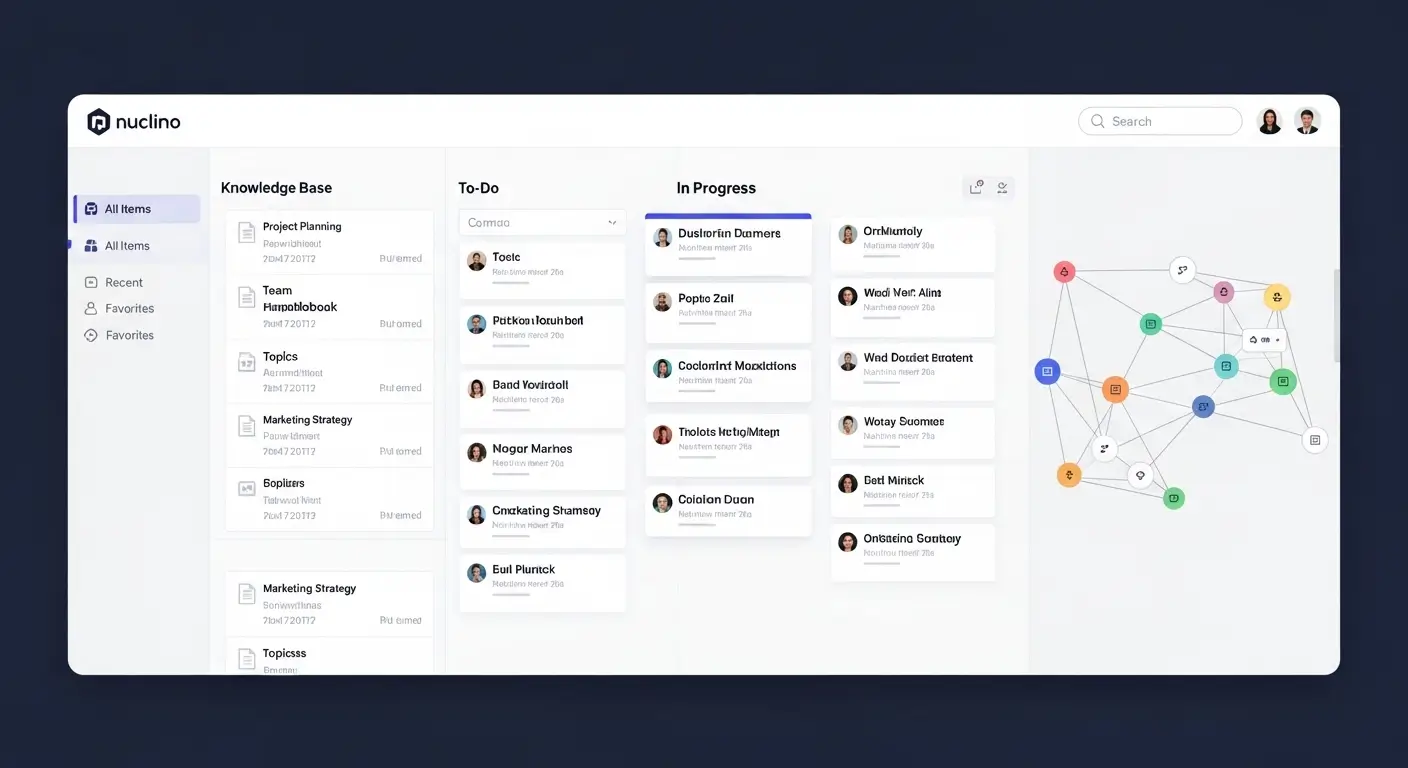
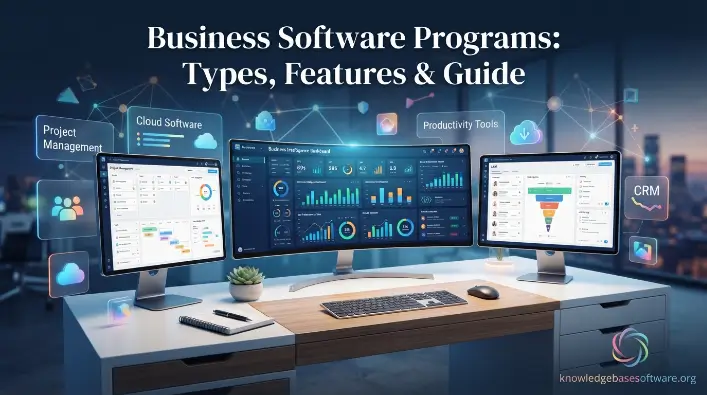
Welcome to knowledgebasesoftware. Business software programs help companies manage daily operations, improve productivity, and reduce manual work. Businesses of all sizes use these tools to handle essential tasks such as accounting, customer management, marketing, inventory, and human resources. By automating routine activities, these programs help organizations save time, reduce errors, and operate more efficiently.
Business software programs bring business processes together through digital systems that improve data management and workflow efficiency. Instead of depending on separate spreadsheets and manual tasks, companies use business applications, enterprise software, and SaaS solutions to organize information and coordinate operations. These tools support collaboration, provide useful business insights, and help companies make informed decisions as they grow.
What Are Business Software Programs?
Business software programs are digital tools designed to help companies manage, automate, and organize business activities. They support tasks such as accounting, customer relationship management, employee management, inventory tracking, and project planning. By centralizing information and simplifying workflows, these programs help businesses improve accuracy, productivity, and operational efficiency.
Definition and Core Purpose
Business software programs are computer applications developed to perform specific business tasks. They automate repetitive activities, organize business information, and simplify processes such as invoicing, sales tracking, and employee management.
The main purpose of business software programs is to reduce manual work, minimize errors, and improve efficiency. These tools also help businesses monitor performance, manage resources, and use accurate information to make better operational decisions.
Key Characteristics of Modern Business Software
Modern business software programs include features that help businesses manage operations efficiently. Cloud-based access allows users to work from different locations through an internet connection, making these tools useful for remote teams and businesses with multiple offices.
Integration capabilities allow different software applications to exchange information and work together. Scalability enables businesses to add users, manage more data, and support expanding operations as their needs change. These features make business software adaptable to companies of different sizes.
On-Premise vs Cloud-Based Software
Business software programs are available as on-premise or cloud-based solutions. On-premise software is installed on a company’s own servers or computers, giving the organization greater control over its infrastructure and data. Cloud-based software runs on remotely hosted systems and is accessed through the internet.
On-premise solutions may suit businesses that require greater infrastructure control and customization, but they often involve higher setup and maintenance costs. Cloud-based solutions typically offer lower upfront expenses, remote access, and automatic updates, although they depend on internet connectivity and the provider’s services. The right option depends on a business’s budget, security requirements, technical resources, and operational needs.
Read Also: Best Small Business Backup Software 2026 Guide & Tools
Major Types of Business Software Programs
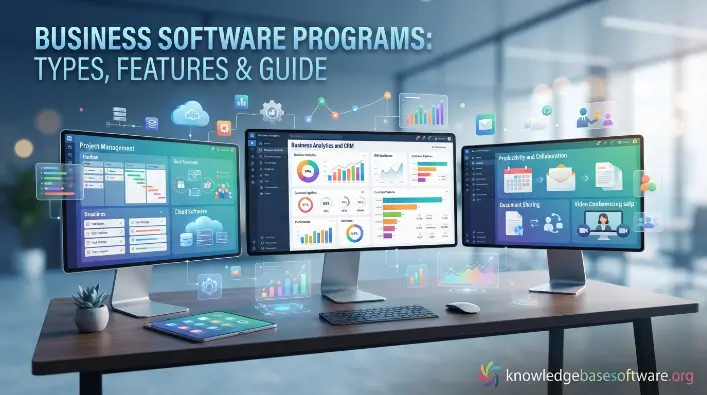
Business software programs help businesses manage daily operations, automate tasks, and improve productivity. Different types of software support accounting, customer management, project planning, human resources, and marketing. Choosing suitable software helps companies organize business activities, reduce manual work, and improve efficiency.
Types of Business Software Programs
Enterprise Resource Planning (ERP) Systems
Enterprise Resource Planning systems are business software programs that combine finance, inventory, procurement, and supply chain management in one platform. They help businesses organize data, coordinate departments, and manage operations efficiently.
ERP software also supports reporting, resource planning, and inventory tracking, helping companies manage complex operations and business growth.
Customer Relationship Management (CRM) Software
CRM software helps businesses manage customer information, communication, and sales activities. These business software programs organize customer records and track interactions in one centralized system.
CRM tools also support lead management, sales forecasting, and automated follow-ups. These features help businesses improve customer relationships and manage sales opportunities.
Accounting and Finance Software
Accounting software helps businesses manage invoices, expenses, budgets, payroll, and financial records. These business software programs reduce manual work and improve the accuracy of financial information.
Financial reports help businesses monitor cash flow, revenue, and expenses, supporting better financial management and decision-making.
Project Management Software
Project management software helps businesses organize projects, assign tasks, set deadlines, and monitor progress. These business software programs improve coordination and help teams manage responsibilities efficiently.
Project management tools also support workflow management, team communication, and resource planning, making it easier to track project progress and meet deadlines.
Human Resource Management (HRM) Software
HRM software helps businesses manage employee records, recruitment, onboarding, attendance, payroll, and benefits. These business software programs centralize employee information and simplify administrative tasks.
HRM systems can also support performance reviews, employee development, and workforce planning.
Marketing Automation Software
Marketing automation software helps businesses manage email campaigns, customer segmentation, lead nurturing, and campaign reporting. These business software programs automate repetitive marketing activities and improve campaign management.
Marketing tools can personalize messages, track customer engagement, and monitor campaign performance. Businesses can use these features to improve marketing efficiency and manage leads.
Key Features of Business Software Programs
Effective business software programs include features that help companies manage operations, improve productivity, and organize information.
- Task automation: Reduces repetitive manual work and improves efficiency.
- Reporting and analytics: Provides information for better business decisions.
- System integration: Connects applications and improves data sharing.
- Cloud access: Allows employees to access software from different locations.
- Data security: Uses access controls, encryption, and backups to protect information.
- Scalability: Supports growing business needs and additional users.
- Collaboration tools: Helps teams share information and coordinate tasks.
- Customer management: Organizes customer records and communication history.
- Customizable dashboards: Helps businesses monitor performance and important metrics.
Benefits of Business Software Programs
Business software programs help companies simplify operations, manage resources, and improve productivity. They also support better customer service and more informed business decisions.
Increased Productivity and Efficiency
Business software programs automate tasks such as data entry, scheduling, reporting, and task management. Automation reduces administrative work and allows employees to focus on important responsibilities.
Better Decision-Making
Business software organizes information about finances, customers, sales, and operations. Reports and dashboards help managers understand performance, identify problems, and make informed decisions using accurate data.
Cost Reduction
Business software programs reduce manual work, minimize errors, and improve resource management. Tools for budgeting, inventory tracking, and task automation help businesses control expenses and use resources more effectively.
Improved Customer Experience
Customer management software stores customer information and communication histories. These features help businesses respond to inquiries, understand customer needs, and provide more consistent service through organized business management software solutions.
Enhanced Team Collaboration
Business software helps employees share documents, communicate, assign tasks, and monitor projects. Centralized platforms improve coordination between departments and support remote teams.
Common Mistakes When Selecting Business Software
Choosing suitable business software programs requires businesses to evaluate their needs, budgets, and future goals. Avoiding common mistakes helps companies select software that supports their operations.
Choosing Software Based Only on Price
Low-cost software may lack important features, reliable support, or integration options. Businesses should compare functionality, maintenance costs, and long-term value before making a decision.
Ignoring Scalability
Software should support future business growth, including additional users, larger data volumes, and changing operational needs. Scalable solutions reduce the need for costly replacements.
Overlooking Integration Capabilities
Business software should work effectively with existing applications. Strong integration reduces manual data entry, minimizes errors, and improves workflow efficiency.
Neglecting Employee Training
Employees need proper training to use business software effectively. Training and ongoing support improve adoption and help businesses benefit from available features.
Failing to Evaluate Vendor Support
Businesses should review technical support, software updates, and troubleshooting options before selecting a provider. Reliable vendor support helps resolve technical problems and reduce operational disruptions.
Future Trends in Business Software Programs
Business software programs continue to evolve as businesses adopt new technologies to improve efficiency and manage operations.
- Artificial intelligence: Helps automate tasks, analyze data, and improve forecasting.
- Cloud-based software: Supports remote access, flexibility, and scalability.
- Low-code and no-code tools: Allow users to create applications with limited programming knowledge.
- Advanced analytics: Helps businesses identify trends and make informed decisions.
- Workflow automation: Reduces repetitive tasks and improves operational efficiency.
- Integrated productivity tools: Connect communication, project management, and business applications to support teamwork.
Frequently Asked Questions
What are business software programs?
Business software programs are digital applications designed to help organizations manage, automate, and optimize various business operations. These programs support functions such as accounting, customer relationship management, project management, human resources, marketing, and inventory control. By replacing manual processes with automated systems, businesses can improve efficiency, accuracy, and productivity.
What are the most common types of business software programs?
The most common types of business software programs include Enterprise Resource Planning (ERP) systems, Customer Relationship Management (CRM) software, accounting and finance software, project management tools, Human Resource Management (HRM) systems, and marketing automation platforms. Each type serves a specific purpose and helps businesses streamline different operational areas.
How do business software programs improve productivity?
Business software programs improve productivity by automating repetitive tasks, reducing manual data entry, and simplifying complex workflows. Features such as workflow automation, centralized data management, and real-time collaboration enable employees to complete tasks more efficiently, allowing them to focus on higher-value activities that contribute to business growth.
Are cloud-based business software programs better than on-premise solutions?
Cloud-based business software programs are often preferred because they offer remote accessibility, lower upfront costs, automatic updates, and easier scalability. However, on-premises solutions may be more suitable for organizations with strict security, compliance, or customization requirements. The best choice depends on the specific needs and goals of the business.
How do I choose the right business software for my company?
To choose the right business software programs, businesses should first identify their operational needs and objectives. It is important to evaluate features, scalability, integration capabilities, security measures, pricing, and vendor support. Selecting software that aligns with both current requirements and future growth plans helps ensure a successful long-term investment.
Can small businesses benefit from business software programs?
Yes, small businesses can gain significant advantages from business software programs. These solutions help automate administrative tasks, improve customer management, streamline communication, and provide valuable business insights. Many cloud-based platforms offer affordable subscription plans, making advanced software accessible even for organizations with limited budgets.
Conclusion
Business software programs have become essential tools for organizations seeking to improve efficiency, productivity, and overall business performance. From managing finances and customer relationships to automating marketing activities and streamlining internal operations, these solutions help businesses operate more effectively in an increasingly competitive digital environment. By leveraging modern technologies such as workflow automation, business productivity tools, and data-driven decisions, companies can reduce operational challenges and achieve sustainable growth.
As technology continues to evolve, the role of business software programs will become even more significant. Businesses that invest in the right software solutions can enhance collaboration, improve customer experiences, optimize resource utilization, and make more informed strategic decisions. Whether you are a small business owner or managing a large enterprise, selecting software that aligns with your organizational goals is a crucial step toward long-term success. By understanding the available options, key features, benefits, and future trends, businesses can confidently adopt solutions that drive innovation, efficiency, and competitive advantage.