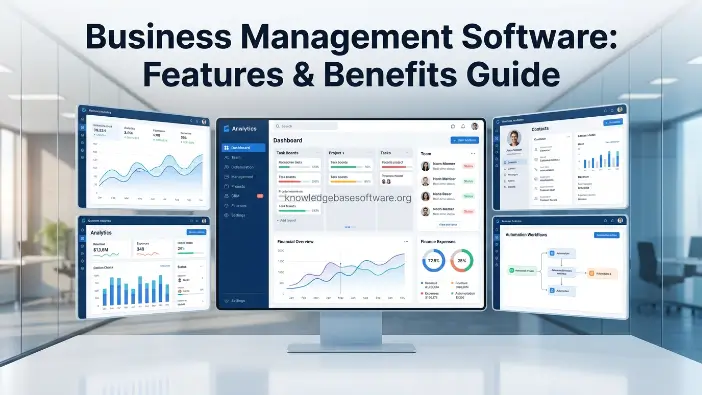
In today’s competitive digital environment, businesses must manage multiple operations at the same time, including sales, finance, employee management, customer support, and daily task tracking. Handling all of these activities manually or through separate tools often creates confusion, data duplication, and delays in decision-making. As a result, companies struggle to maintain efficiency and consistent growth.
Business management software provides a complete solution by combining all essential business functions into one centralized system. It allows organizations to automate routine tasks, monitor performance in real time, and improve coordination between teams. With business management software, businesses can reduce manual workload, minimize errors, and make faster, data-driven decisions that support long-term success and scalability.
What is Business Management Software?
Business management software is a digital system designed to help organizations manage, automate, and streamline their core business operations in one centralized platform. Instead of using separate tools for accounting, customer management, HR, and project tracking, this software brings everything together into a single integrated solution. The main purpose of business management software is to improve efficiency, reduce manual work, and provide real-time visibility into business performance. It helps companies organize data, track progress, and make faster, more accurate decisions. By connecting different departments and processes, it ensures smoother communication and better overall control of business activities.
Definition and Purpose
- A software solution that integrates multiple business functions
- Designed to automate daily operations and reduce manual effort
- Helps improve productivity and decision-making
How it Centralizes Business Operations
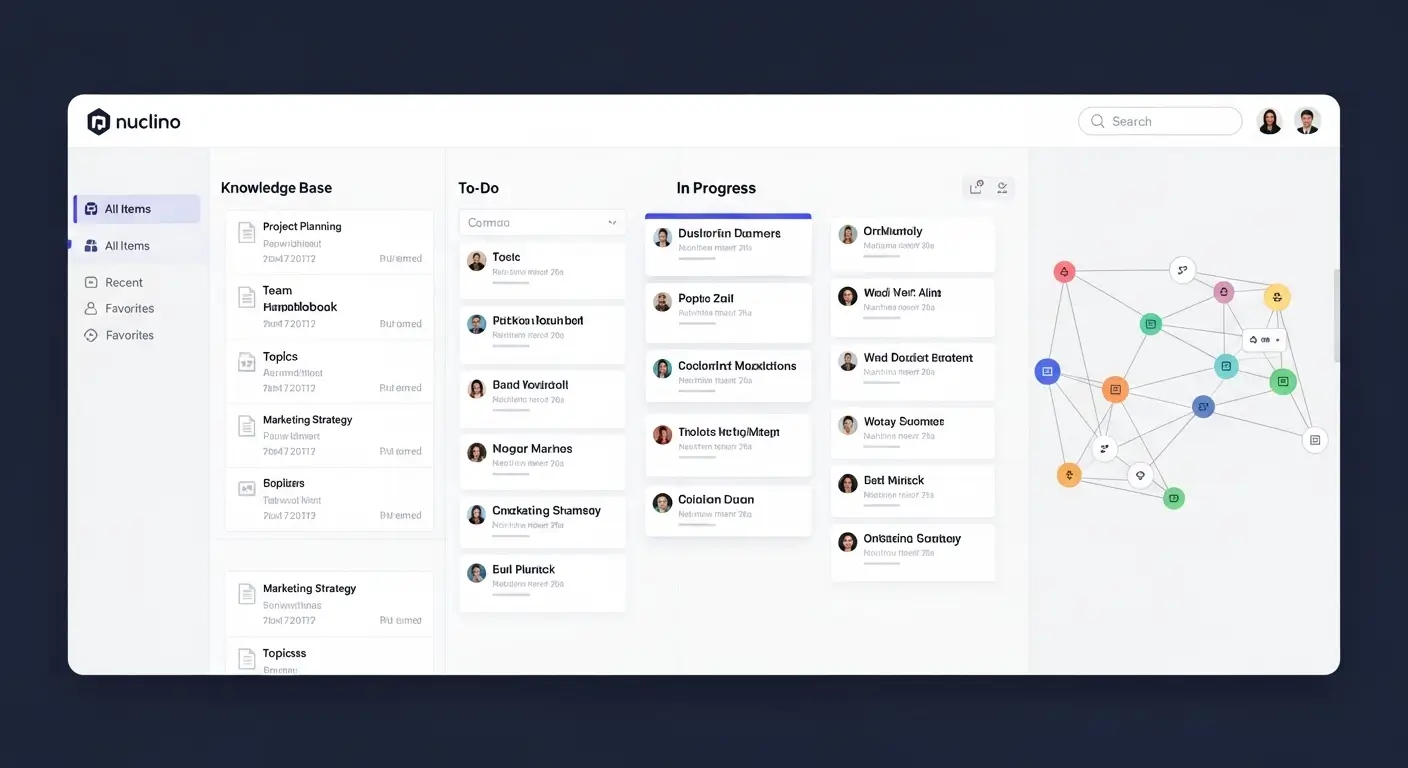
- Combines CRM, accounting, HR, and project management in one system
- Stores all business data in a unified database
- Provides real-time access to information across departments
Difference Between Traditional Tools and Integrated Platforms
- Traditional tools work separately and cause data fragmentation
- Integrated platforms connect all functions in one system
- Modern software offers automation, analytics, and better collaboration
- Traditional methods require more manual work and time
Core Functions of Business Management Software
Business management software plays a vital role in organizing and automating essential business activities. One of its key functions is task management, which helps teams assign, track, and complete daily work efficiently. It ensures that responsibilities are clearly defined, deadlines are met on time, and overall productivity is improved across departments.
Another important function of business management software is customer relationship management (CRM). This feature allows businesses to store customer data, track interactions, manage leads, and improve sales performance. By having all customer information in one place, companies can build stronger relationships and deliver better service.
- Task Management: Assigns and tracks tasks to improve workflow efficiency
- Customer Relationship Management (CRM): Manages customer data, leads, and sales activities
- Accounting and Finance Tracking: Monitors expenses, invoices, and financial reports for better control
- HR and Payroll Systems: Handles employee records, attendance, salary processing, and performance tracking
Read Also: field service management software for small business
Key Features of Business Management Software
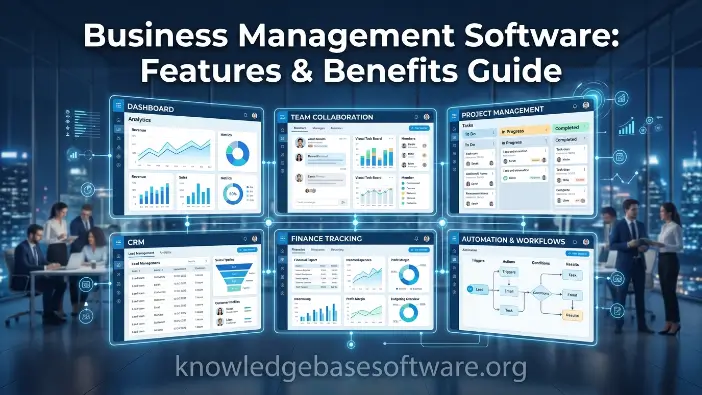
Business management software comes with powerful features that help organizations streamline operations and improve overall efficiency. One of the most important aspects of business management software is its ability to automate repetitive tasks such as invoicing, reporting, data entry, and notifications. This reduces manual effort, minimizes human errors, and allows employees to focus on more strategic work. In addition, modern systems are designed to be flexible, scalable, and user-friendly, making them suitable for businesses of all sizes. These features collectively help improve productivity, enhance collaboration, and provide better control over daily operations.
Automation Capabilities
- Automates repetitive tasks like billing, reporting, and reminders
- Reduces human error and saves time
- Improves operational efficiency across departments
Cloud-Based Access
- Allows access to data from anywhere, anytime
- Supports remote work and team collaboration
- Ensures secure data storage and backup
Reporting and Analytics
- Provides real-time business performance insights
- Helps in data-driven decision-making
- Generates detailed financial and operational reports
Integration with Third-Party Tools
- Connects with CRM, email, payment, and marketing tools
- Ensures smooth data flow between systems
- Reduces the need for switching between multiple platforms
Workflow Management
- Organizes and automates business processes step-by-step
- Improves task coordination between teams
- Enhances productivity through structured workflows
Advanced Features in Modern Platforms
Modern business management software has evolved significantly, offering advanced capabilities that go beyond basic automation and tracking. These features are designed to help businesses make smarter decisions, improve communication, and maintain strong security standards. With the growing demand for digital transformation, companies now rely on intelligent systems that can adapt to changing business needs and provide real-time insights for better performance management.
In addition, business management software supports advanced technologies that enhance productivity and ensure seamless collaboration across teams. These features help businesses stay competitive in fast-changing markets by improving the speed, accuracy, and accessibility of data.
- AI-Powered Insights: Uses artificial intelligence to predict trends and support smarter decision-making
- Real-Time Collaboration: Enables teams to work together instantly, share updates, and communicate efficiently
- Mobile App Access: Allows users to manage business operations from smartphones and tablets anytime
- Data Security and Compliance: Protects sensitive business information with encryption and regulatory compliance standards
Benefits of Using Business Management Software
Business management software provides significant advantages to organizations by improving how daily operations are handled and how teams interact with data and processes. One of the biggest benefits of business management software is that it increases overall efficiency by automating repetitive tasks and reducing manual workload. It also helps businesses maintain better control over operations by centralizing important information in one place. With real-time access to accurate data, companies can respond faster to challenges and opportunities. This leads to smarter planning, improved performance tracking, and stronger business outcomes across all departments.
Improved Productivity
- Automates routine tasks and reduces manual effort
- Helps employees focus on high-value work
- Streamlines workflows for faster task completion
Better Decision-Making
- Provides real-time data and analytics
- Helps managers make informed strategic decisions
- Reduces errors caused by outdated information
Reduced Operational Costs
- Minimizes the need for multiple separate tools
- Lowers labor costs through automation
- Improves resource utilization across departments
Enhanced Team Collaboration
- Centralizes communication within a single platform
- Improves coordination between departments
- Enables seamless sharing of updates and files
Scalability for Business Growth
- Adapts easily as business operations expand
- Supports increasing users, data, and processes
- Ensures long-term flexibility for growing organizations
Impact on Small vs Large Businesses
The impact of business management software varies depending on the size and structure of an organization. For small businesses, it acts as a powerful tool to bring structure, organization, and automation into daily operations. Many small companies struggle with limited resources and manual processes, which often slow down growth. By adopting business management software, they can streamline tasks, manage customers more effectively, and reduce dependency on multiple separate tools. This helps small businesses operate more professionally and compete with larger players in the market.
For large enterprises, business management software plays a critical role in managing complex workflows across multiple departments and locations. It ensures smooth coordination between teams, automates large-scale processes, and provides centralized control over massive amounts of data. With advanced reporting and integration features, enterprises can maintain efficiency, reduce operational risks, and ensure consistency across all business units.
- Small Business Efficiency Improvements: Helps automate basic tasks, organize workflows, and improve productivity with limited resources
- Enterprise-Level Process Automation: Manages complex operations across departments, improves coordination, and supports large-scale data handling
Types of Business Management Software
Different types of business management software are designed to handle specific business functions, depending on organizational needs and industry requirements. Some businesses prefer all-in-one solutions, while others use specialized tools for individual departments. Each type of business management software plays a unique role in improving efficiency, reducing manual work, and ensuring better control over operations. From managing finances to tracking customer relationships and handling employee data, these tools help businesses operate more smoothly and make informed decisions. Understanding the different types allows companies to choose the right solution based on their size, goals, and operational complexity.
- ERP (Enterprise Resource Planning) Systems: Integrate core business processes like finance, supply chain, and operations into one unified system
- CRM Software: Manages customer data, sales pipelines, and improves customer relationships and retention
- Project Management Tools: Help teams plan, organize, and track projects efficiently with deadlines and task assignments
- Accounting Software: Handles financial transactions, invoicing, budgeting, and reporting for better financial control.
- HR Management Systems: Manage employee records, payroll, recruitment, attendance, and performance tracking
How to Choose the Right Business Management Software
Choosing the right business management software is a critical decision that directly impacts a company’s efficiency, productivity, and long-term growth. Every business has different needs depending on its size, industry, and operational complexity, so selecting a one-size-fits-all solution is not always effective. The right business management software should align with your business goals, simplify daily operations, and support future expansion. It should also improve collaboration between departments and provide accurate real-time insights for better decision-making. Careful evaluation of features, usability, and cost is essential before investing, as the wrong choice can lead to wasted resources and operational challenges.
- Identify Business Needs: Understand your core requirements, such as finance, HR, sales, or project management, before selecting software.
- Budget Considerations: Choose a solution that fits your budget while still offering essential features and long-term value
- Ease of Use and Scalability: Ensure the system is user-friendly and can grow with your business as it expands
- Integration Capabilities: Check whether the software connects easily with existing tools like CRM, accounting, or email systems
- Customer Support and Training: Reliable support and proper training resources are essential for smooth implementation and adoption
Common Mistakes to Avoid
When selecting business management software, many businesses make critical mistakes that can affect long-term performance and efficiency. One of the most common issues is choosing a system that is overly complex for the organization’s actual needs. While advanced features may seem attractive, they often lead to confusion, longer training times, and reduced productivity. Another major mistake is failing to consider future growth. Businesses that do not plan may end up with software that cannot scale, forcing them to switch systems later, which is costly and time-consuming.
It is also important to properly evaluate options before making a final decision. Many companies skip testing free trials and end up investing in software that does not fit their workflow. Taking time to explore features, usability, and compatibility helps ensure a better decision. A well-planned approach to choosing business management software can prevent operational challenges and improve long-term efficiency.
- Choosing Overly Complex Systems: Avoid software with unnecessary features that complicate daily operations
- Ignoring Future Growth Needs: Select a scalable solution that can grow with your business.
- Not Testing Free Trials: Always test usability and features before making a final purchase decision
Best Practices for Implementation
Implementing business management software successfully requires a well-structured approach to ensure smooth adoption and minimal disruption to daily operations. A proper implementation plan helps businesses transition from traditional systems to a fully digital environment without losing important data or productivity. When business management software is introduced correctly, it improves efficiency, enhances team collaboration, and ensures that all departments adapt to the new system effectively. Careful planning, communication, and training are essential to maximize the value of the software and avoid common implementation challenges that can affect performance.
- Step-by-Step Onboarding: Introduce the system gradually by starting with core features before expanding to advanced modules
- Employee Training Strategies: Provide proper training sessions to ensure employees understand how to use the system effectively
- Data Migration Planning: Carefully transfer existing business data to avoid errors, duplication, or data loss
- Gradual Rollout Approach: Implement the software in phases across departments to ensure smooth adaptation and reduce operational risk
Future Trends in Business Management Software
The future of business management software is being shaped by rapid technological advancements that are transforming how companies operate and make decisions. Modern business management software is no longer limited to basic automation; it is evolving into intelligent systems that support real-time decision-making, predictive insights, and seamless remote access. As businesses continue to embrace digital transformation, these tools will become more advanced, user-friendly, and highly integrated with emerging technologies. This shift will help organizations improve efficiency, reduce costs, and stay competitive in an increasingly data-driven business environment.
- AI Automation Growth: Increasing use of artificial intelligence to automate complex business processes and improve accuracy
- Predictive Analytics: Helps businesses forecast trends, customer behavior, and future performance for better planning.
- Increased Mobile-First Solutions: Enable full business management through smartphones and tablets for flexibility
- Greater Cloud Adoption: Expands secure, scalable, and remote access to business data anytime, anywhere
Frequently Asked Questions
What is business management software used for?
Business management software is used to manage, automate, and streamline core business operations such as finance, HR, sales, customer management, and project tracking within a single system.
Is business management software suitable for small businesses?
Yes, business management software is highly beneficial for small businesses because it helps reduce manual work, improve organization, and increase productivity even with limited resources.
What are the main benefits of business management software?
The main benefits of business management software include improved efficiency, better decision-making, reduced operational costs, enhanced collaboration, and easy scalability as the business grows.
Does business management software work in the cloud?
Most modern business management software solutions are cloud-based, allowing users to access data anytime, anywhere, and collaborate in real time securely.
How do I choose the right business management software?
To choose the right business management software, you should evaluate your business needs, budget, ease of use, integration options, scalability, and available customer support.
Conclusion
In today’s fast-changing business environment, adopting business management software is no longer optional but essential for sustainable growth and efficiency. It brings all critical business functions such as finance, HR, sales, and operations into one unified platform, helping organizations work smarter and faster. With business management software, businesses can reduce manual workload, improve accuracy, and gain real-time insights that support better decision-making.
As competition continues to increase, companies that invest in the right digital tools will always have an advantage in productivity, cost control, and scalability. Whether it is a small business or a large enterprise, business management software provides the structure and flexibility needed to adapt, grow, and succeed in the modern digital economy.